AI

OpenAI Genesis Mission support: Codex, API credits, DOE labs

OpenAI detailed Genesis Mission support for DOE national labs: Codex seats for about 2,000 researchers, campaign API funding, matching credits, and GPT-Rosalind biology access.

OpenAI Genesis Mission support: Codex, API credits, DOE labs

If you follow frontier models past the chat box and into real lab workflows, OpenAI's latest Genesis Mission update is the money-and-access checklist. The company is detailing how it will support the U.S. Department of Energy's Genesis Mission: Codex seats, API campaign funding, matching usage credits, and deeper national-lab collaboration.

This is for readers who care about what scientists can actually request, not another vague "AI will accelerate science" headline.

What Genesis is, in DOE's own framing

DOE describes Genesis as a national initiative that unites National Labs, industry, and academia to harness AI for energy, discovery science, and national security. Under Secretary for Science Darío Gil serves as DOE's director for the program. OpenAI's post sits inside that larger federal effort, which DOE has also used to announce large partner-commitment packages and project selections.
Watch on YouTube
U.S. Department of Energy seal: Genesis Mission is a DOE-led national science program

What OpenAI says it will deliver

OpenAI's announcement commits concrete support packages for participating Genesis researchers:

  • About $4 million in Codex access for roughly 2,000 Genesis researchers at National Laboratories and universities, aimed at day-to-day coding and reasoning work

  • $3 million in API support for two large-scale scientific campaigns that test frontier models against major scientific challenges

  • Matching API usage: up to $10 million in API usage for $2.5 million spent by participating researchers

  • Early access for selected national-laboratory leaders to models and features so labs can prep evaluations before wider rollout
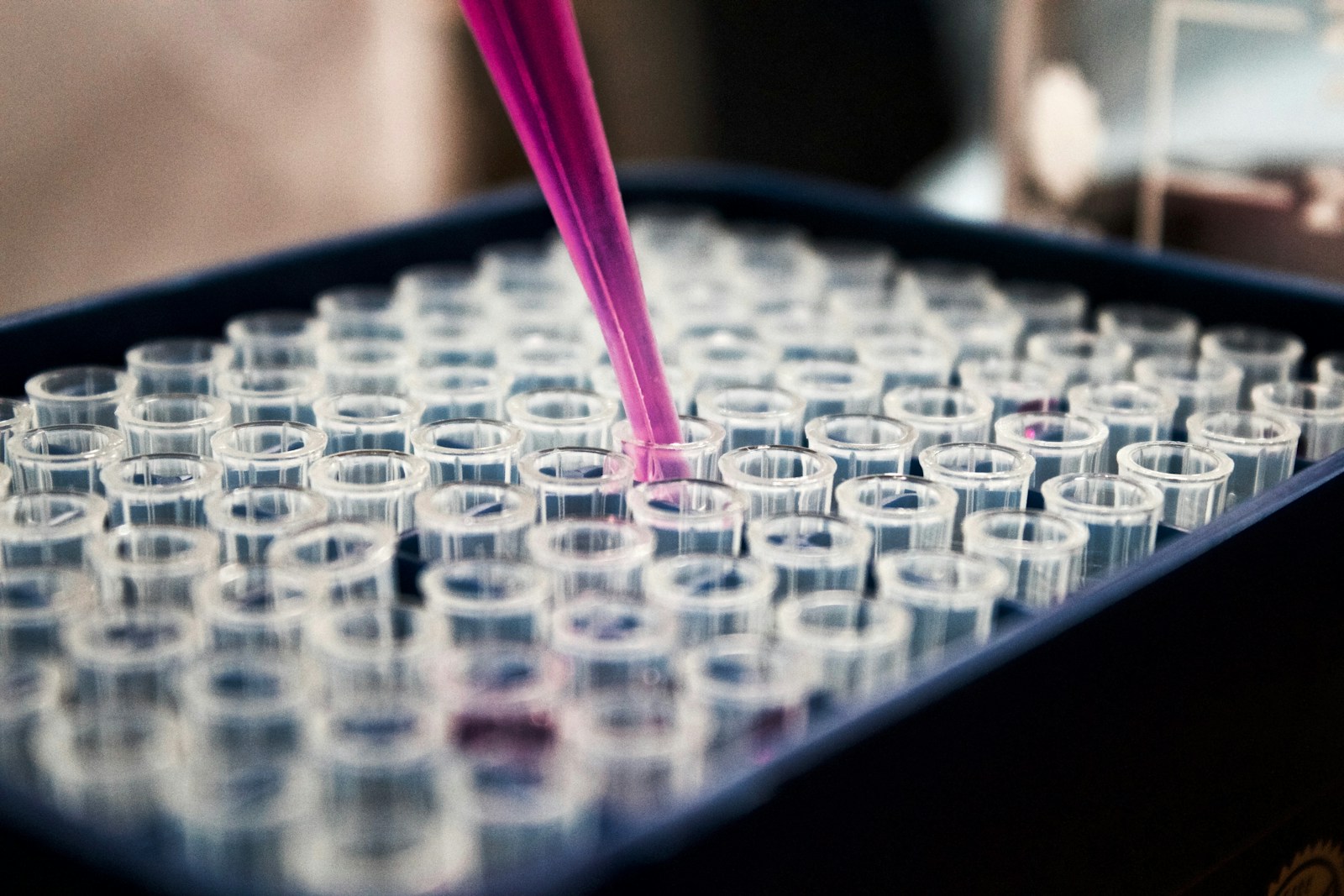
  • GPT-Rosalind access for selected national-lab researchers on eligible biology projects (specialized bioscience capabilities called out in OpenAI's note)

That sits on earlier collaboration work OpenAI has already publicized: an AI Jam with nine National Laboratories where more than 1,000 scientists stress-tested frontier models on domain problems, plus reasoning-model deployments on Venado at Los Alamos as a shared NNSA-lab resource.

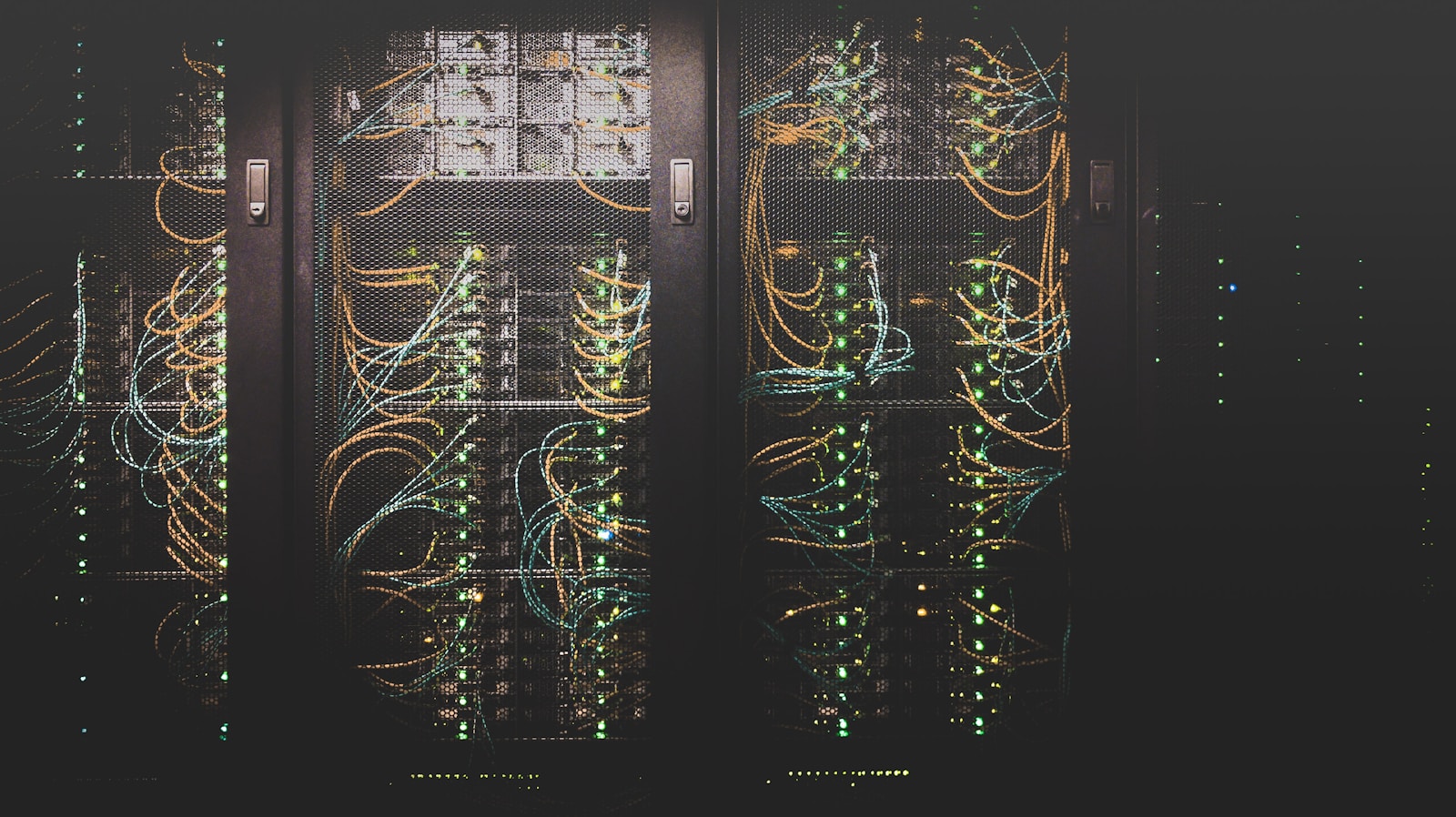
High-density server and networking racks representing national-lab AI and HPC workloads

The productivity goal, quoted carefully

OpenAI frames Genesis around DOE's 17 National Laboratories plus universities and industry, then states the mission target in plain language:

Genesis aims to integrate AI with federal scientific data, advanced computing, experimental facilities, and expert teams, and double the productivity and impact of American research and innovation within a decade.

Treat that as the program's ambition statement, not a published measurement. OpenAI's article is a partnership and access update. It is not a peer-reviewed productivity study, and there is no public scoreboard yet that proves the "double within a decade" line.

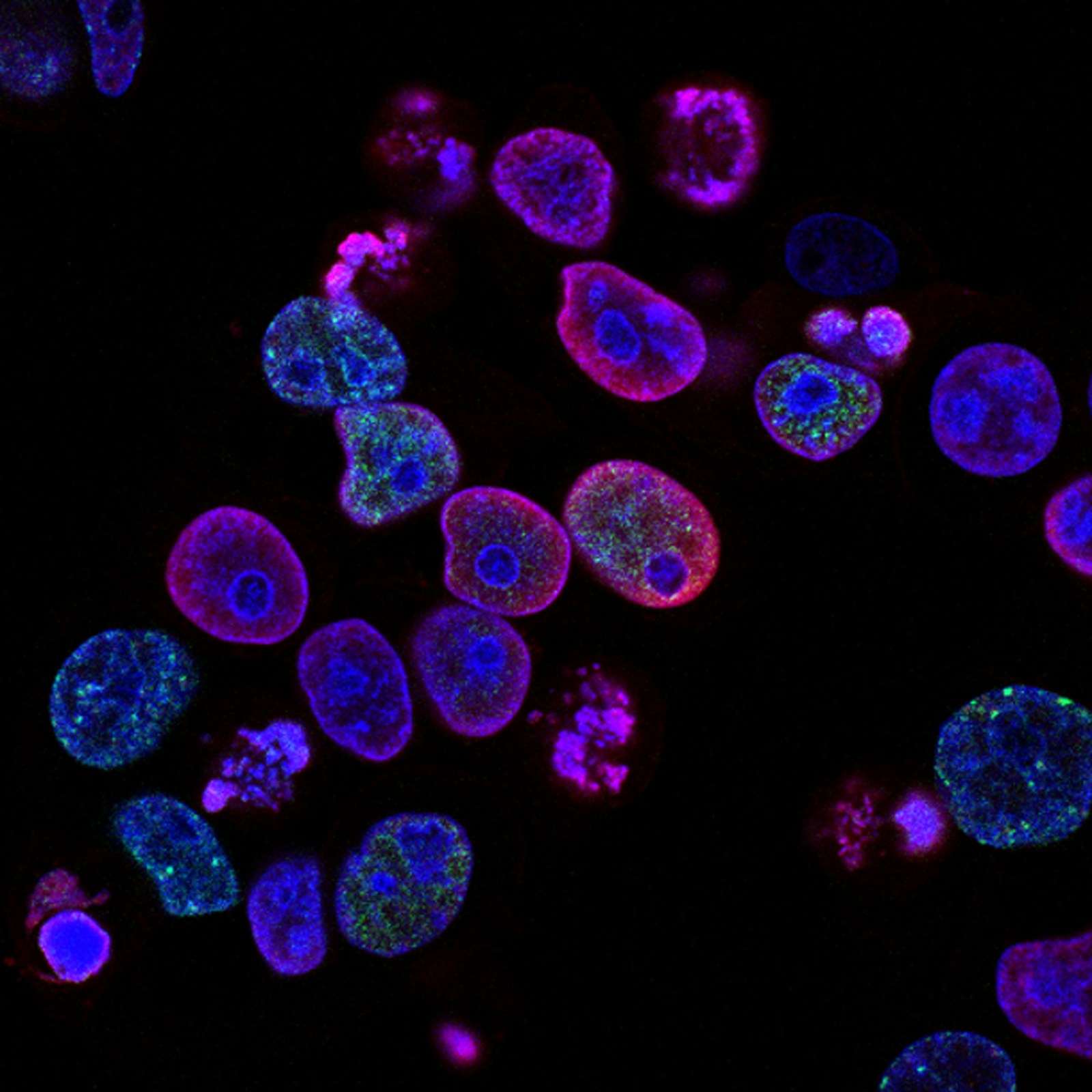
Chemistry lab bench and glassware: experimental facilities Genesis is meant to connect with AI and computing

Confirmed vs not confirmed

Confirmed

  • Formal OpenAI support package sized for thousands of Genesis researchers

  • Separate Codex, campaign API, and matching-credit lines with published dollar figures

  • Specialized bioscience access path via GPT-Rosalind for eligible projects

  • Prior multi-lab Jam feedback loop and Los Alamos Venado deployment context

  • DOE continuing to publish Genesis funding, partner-commitment, and project-selection updates on energy.gov

Not confirmed

  • Which two scientific campaigns win the $3 million API support first

  • Exact eligibility rules, timelines, and admin gates for every credit line

  • A public dashboard proving the decade-scale productivity doubling

  • Open access for the general public to the same lab deployments

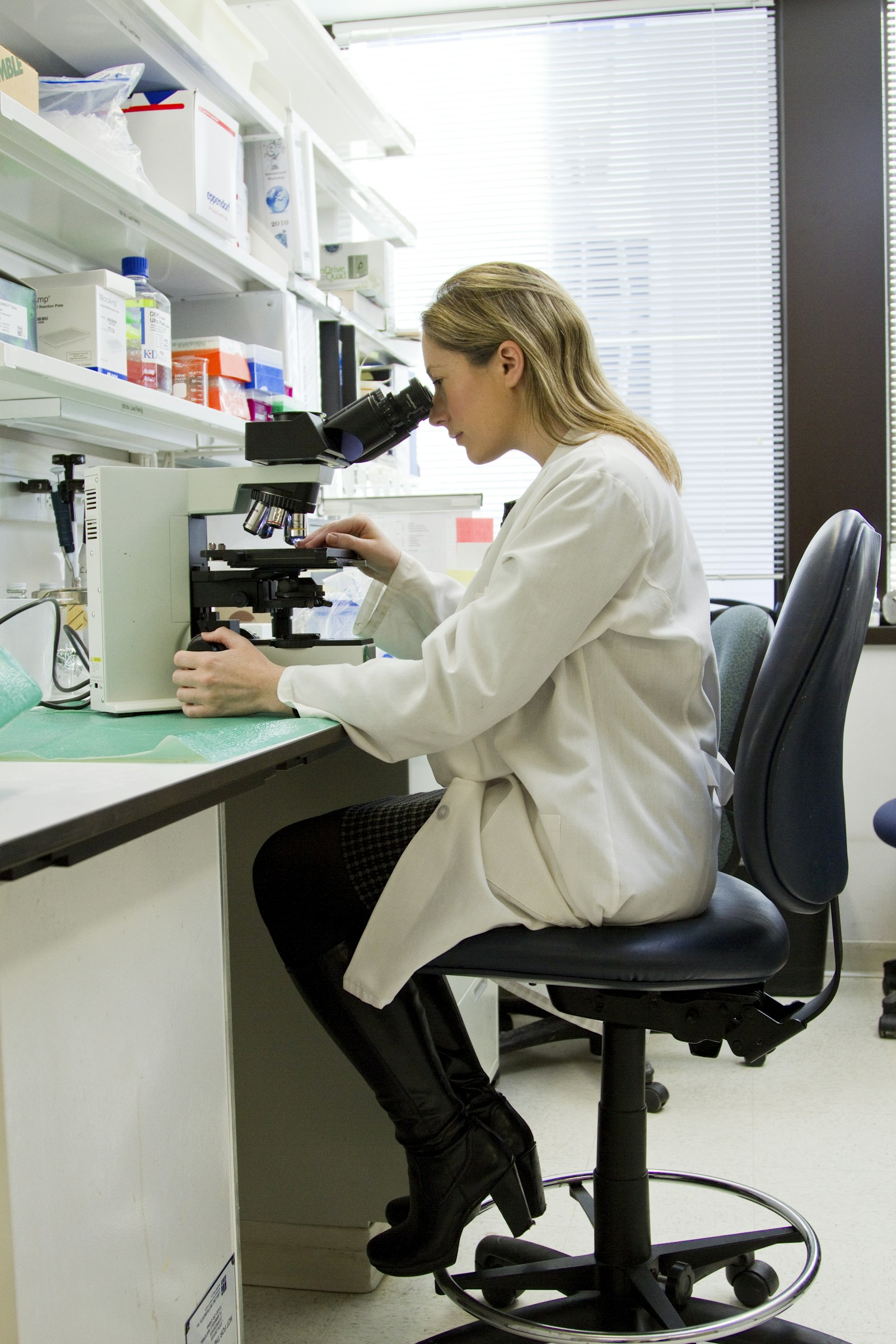
Research microscopy setup: biology and materials workstreams called out in Genesis and GPT-Rosalind access

Why it matters outside the labs

Frontier models only change science if they sit next to federal datasets, HPC queues, experimental facilities, and people who can invalidate a bad answer. This update is about wiring those pieces together under a DOE program. It is not a consumer ChatGPT feature flag.

Researchers and lab partners should watch DOE's Genesis pages and OpenAI's science announcements for campaign selections and access windows. Everyone else can treat the dollar lines as a map of where national-lab AI spend is concentrating next.

Follow the AI section feed for later Genesis campaign details when labs publish them.

← Back to latest