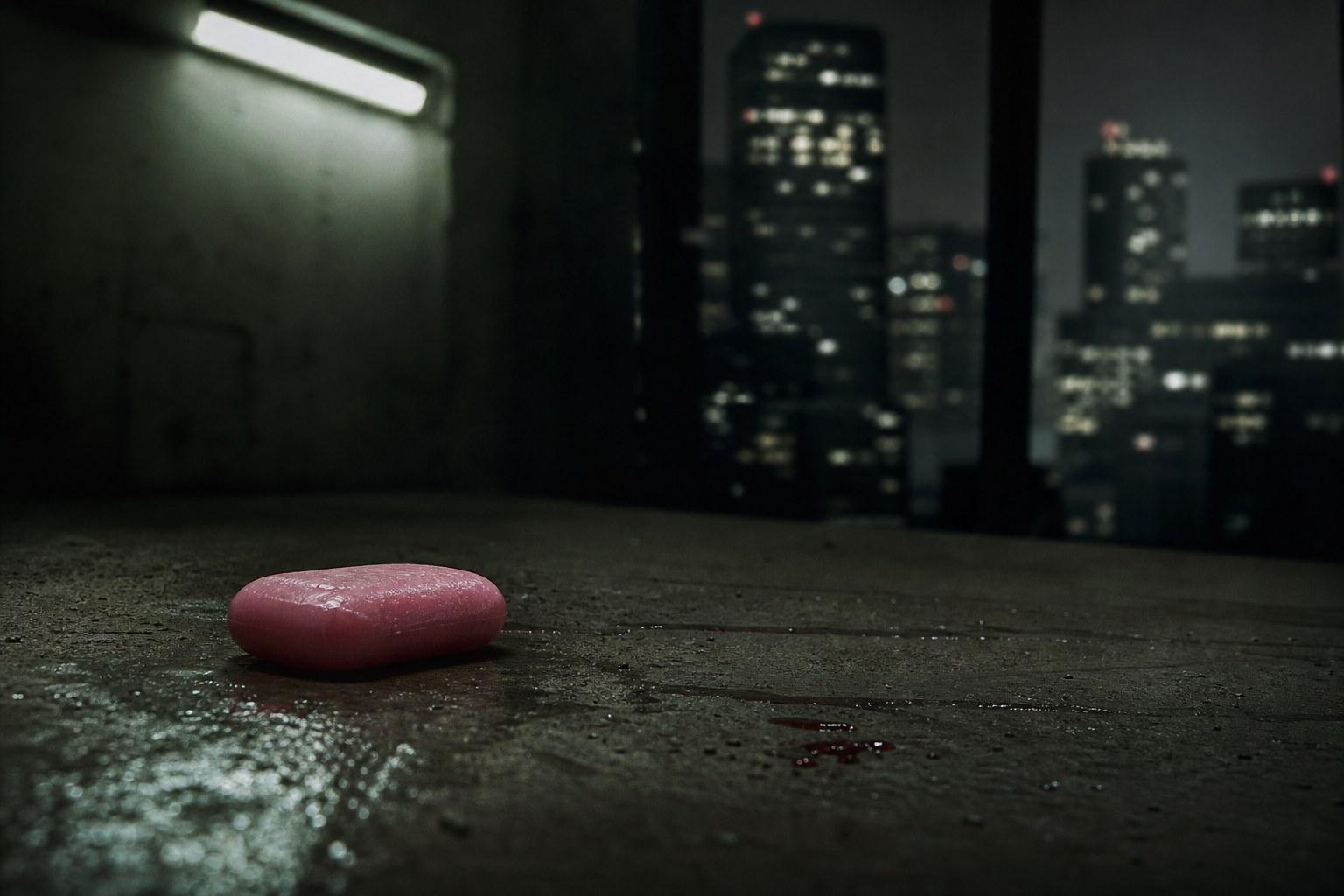
Most studio movies still hand you the girl, the money, and a speech about how the pain was worth it. Fight Club sits closer to The Departed for me: stylish, adult, and unwilling to tuck you in.
I keep coming back to Fight Club for a reason that sounds almost too personal to put on a blog, which is that it refuses the ending Hollywood keeps trying to sell as default. Not every film needs to be bleak, and I’m not allergic to hope, but I am exhausted by the factory setting where a guy suffers for two acts and then collects the girlfriend, the cash, the nicer apartment, and a closing speech about how the ordeal made him whole. Life almost never pays out like that, and the movies that pretend otherwise start to feel like ads for a version of adulthood nobody actually gets.
Fight Club knows the scam. So does The Departed, which is why those two live in the same neighborhood in my head even though one is about underground violence and soap and the other is about cops, moles, and Boston machinery. Both look expensive. Both are funny in the cracks. Both treat institutions and male performance like meat grinders. Both end in a place that feels earned and wrong at the same time, which is a rarer pleasure than another carefully lit kiss over a suitcase of money.
What follows is not a beat-by-beat plot dump. It’s an argument for why Fincher’s movie still feels sharper than a lot of later “dark” thrillers that borrowed the attitude and forgot the spine.
The marketing sold a fight movie. The film was doing something crueler and smarter.
What the movie is doing under the bruises
On the surface, an unnamed office worker played by Edward Norton drifts through catalog living and chronic insomnia until he crosses paths with Tyler Durden, Brad Pitt’s soap salesman and walking middle finger to respectability. They start an underground fight club that spreads faster than either of them can control, Helena Bonham Carter’s Marla keeps showing up like a bad habit with better timing, and David Fincher shoots late-nineties consumer America as if the whole country were a crime scene waiting for the detectives to notice the Ikea bags.
Under that plot is a more specific sickness: loneliness sold back to you as lifestyle, masculinity worn like a rented costume, and the terrifying relief of letting someone louder and freer drive your life because your own hands feel useless. The basement fights are the hook. The real subject is how easily a hollowed-out person will trade one kind of numbness for another if the new numbness comes with a philosophy and a leather jacket.
That is also why the cool-guy manifesto reading still annoys me. The movie is baiting the audience on purpose. It wants you to feel the rush of Tyler’s certainty, then sit with what that certainty costs once the joke hardens into a machine. If you walk out wanting to be Tyler without smelling the trap, you got played the same way the narrator got played, which is less a fan theory than the film’s basic mechanism.
A lot of movies about alienation look messy because mess is cheaper than precision. Fight Club goes the other way. Fincher’s obsessiveness is not decoration here; it is how the satire lands. Product inserts, title cards that feel like a virus in the projector, fight scenes that hurt without turning into sports-broadcast highlight reels, an apartment that looks like a furniture catalog until the catalog gets detonated: the whole frame is arranged so carefully that when something ugly happens, it feels like the design cracked open instead of the camera operator getting lucky.
In period interviews, Norton and Pitt kept circling the same awkward truth for marketers, which is that you cannot summarize this thing in one clean sentence, and a shocking amount of it was built to click on a second viewing. Chuck Palahniuk, Jim Uhls, and Fincher have said versions of the same thing from the writing side: the architecture matters more than the elevator pitch. That is not trivia for commentary-track nerds. The movie plants jokes, warnings, and visual tells in plain sight, then dares you to miss them while you are busy watching Pitt look like a cigarette ad for anarchy. The first watch punches. The second watch performs an autopsy.
Soap as joke, threat, and brand identity. The thesis can sit on a bathroom shelf.
How I Wrote Fight Club: Palahniuk, Uhls, and FincherWatch on YouTube
Norton, Pitt, and why Marla matters
Norton’s performance works because he refuses to turn corporate deadness into a cartoon. You believe the Ikea nesting and the support-group tourism and the desperate hunt for anything that feels real, even when “real” means getting hit in a basement by strangers who somehow become the most honest people in his week. He plays the hunger without begging for pity, which is harder than it looks.
Pitt’s Tyler is the fantasy with teeth: charm as a weapon, confidence as a product, humor sharp enough that people still quote him like scripture. That quotability is part of the danger. Cult leaders are funny until the hierarchy locks in, and the movie understands how easily charisma can be mistaken for truth when you have been bored out of your mind by fluorescent offices and soft rock and the same three dinner options.
Bonham Carter’s Marla is the piece a lot of imitators drop. She is not the prize waiting at the end of the maze or the moral sticker that makes the boy worth saving. She has her own chaos, her own survival strategies, and a refusal to become the redeeming girlfriend accessory. In a movie that spends so much energy diagnosing male emptiness, that choice keeps the story from collapsing into a boys-only fever dream where women only exist to validate the breakdown.
Even the small production stories fit the attitude. When Norton talks on Fallon about actually connecting on that early punch because Fincher wanted contact instead of a polite miss, it sounds like gossip until you remember the whole film is about flinching versus making contact, with your body, your boredom, and your willingness to stop living through catalogs.
Edward Norton on really hitting Brad Pitt in Fight ClubWatch on YouTube
People love it because the lines stick
Ask somebody why they love Fight Club and a lot of them will not start with Fincher’s camera or the ending argument. They will start with the junk that lodges in your head after one watch: Bob had bitch tits. His name is Robert Paulson. The first rule, the second rule, the whole deadpan sermon about not being your job or your khakis. That is not shallow fandom. That is the movie working the way good cult movies work, by handing people language that feels illegal to say out loud and weirdly comforting to repeat with friends who got the joke.
Meat Loaf’s Bob is the perfect example. The introduction is crude, funny, and specific enough that people still quote “bitch tits” twenty-five years later like it is a password. Then the film does the harder thing and makes that same man matter, until “His name is Robert Paulson” stops being a punchline and turns into a chant that is half funeral, half recruitment tool. That pivot is why the quotables last. They are not just bumper stickers glued onto a fight movie. They are little machines that flip from comedy to menace depending on where you are in the story.
Same goes for Tyler’s greatest hits. “You are not your job” and the rest of that monologue still get pasted into dorm rooms and group chats because they sound like permission slips for anybody who has ever felt owned by a paycheck. The movie is smart enough to let those lines feel true in the moment and still show you what happens when a whole army starts living inside them without asking who wrote the script. Quotability is the invitation. The satire is what happens if you stay for the whole party.
I like that route into the film, honestly. A lot of people fall in love with Fight Club the way you fall in love with a record: first the hooks, then the album. Bob, Paulson, the rules, the soap jokes, the Durden swagger. Those are the hooks. The reason I keep the movie on my shelf next to The Departed is what those hooks are attached to once the laughter dies down.
The gas station scene
If the monologues are the bumper stickers, the Raymond K. Hessel scene is where the movie stops quoting itself and starts doing the thing. Tyler and the narrator pull a convenience-store clerk into an alley, put a gun on him, dig through his wallet, and turn a terrified stranger’s abandoned dream of becoming a veterinarian into a six-week deadline with death as the late fee. Tyler calls it a human sacrifice. The narrator looks sick. The audience gets the speech about wasted lives delivered at muzzle velocity.
What makes the scene stick is how cleanly it traps you. Part of you wants Raymond to go back to school. Part of you knows this is just terrorism with better branding. Tyler is selling urgency as enlightenment, and for a minute it works, because a lot of people really are sleepwalking through jobs that buy cheese and television. Then the empty gun comes out, the sadism gets reframed as tough love, and you are left holding the same question the narrator is yelling in the car: what was the point of that? The movie never gives you a comfortable answer. It just shows you how seductive it feels when somebody else forces the life change you have been too tired to force yourself.
Strip away the basement fights and you still have a movie about people trying to purchase an identity because work and advertising hollowed out the one they had. That did not age into a curious late-nineties artifact. It aged into a Tuesday. The support-group scenes are vicious and weirdly tender at once, the condo explosion is a middle finger to lifestyle-as-personality, and Project Mayhem is what happens when a joke about reclaiming agency hardens into a system that eats agency for breakfast. The film keeps escalating the supposed cure until the cure looks like the disease wearing better clothes and a better speech.
That escalation is also why the “Tyler was right about everything” reading falls apart for me. The movie lets Tyler be right about the numbness and wrong about the prescription, which is a more adult move than either pure endorsement or pure scold. It understands the complaint and still shows you the cult forming in real time. If your takeaway is only the complaint, you watched the trailer that lives in your head instead of the movie Fincher finished.
Why I keep filing it next to The Departed
When I put Fight Club near The Departed, I am not claiming they share a plot template. I mean they belong to the smaller shelf of adult studio movies that look like they cost real money and still refuse to baby the audience through the last ten minutes. Both are about men performing roles until the role owns them. Both find humor in institutional rot without turning the rot into a wink. Both end in a register that feels more like consequence than celebration, and you do not leave the theater humming a life lesson so much as sitting in the parking lot a little sick and a little awake.
That is the genre I care about more than the marketing labels. Not “crime” or “thriller” as aisle markers, but movies willing to treat viewers like adults who can survive an ending that does not cash out into romance, real estate, and a redeemed credit score. Fight Club belongs there because it keeps the promise the soft movies break: if the world is this hollow, the closing image should not suddenly turn into a brochure.
Guy gets girl, guy gets money, guy gets the speech. This one would rather leave you standing in the debris.
The ending (spoilers)
Hard stop if you have not seen it. Watch the movie first. Come back angry or in love. Either reaction is more honest than a spoiler skim.
What I love about the ending is not twist-for-twist’s-sake. Plenty of films yank a rug and then sprint around the room tidying furniture so nobody leaves uncomfortable. Fight Club yanks the rug and mostly leaves you there, credits rising, buildings going, a messed-up almost-connection holding on by the fingertips while the skyline does something the studio system usually reserves for villains or natural disasters.
There is no lottery win waiting under the reveal, no clean redemption arc with a house tour, no soft epilogue where everything becomes fine because the hero finally understood himself. The narrator does not get crowned. He gets consequence and a brittle kind of clarity, which is harsher and more interesting than nihilism as fashion. The movie keeps faith with its own argument: consumer fairy tales are a scam, and so is the fantasy that you can become your coolest, cruelest self without paying for the transformation.
The first time I saw it, I felt robbed in the best way, like somebody had interrupted the payout I had been trained to expect. The second time, I felt caught, because the clues had been sitting there while I was busy enjoying the swagger. That gap between those two watches is Fincher and Jim Uhls doing the actual job, which is harder than either shock or sermon.
Why it still holds
It holds because it is specific instead of vaguely anti-society. The corporate dread, catalog living, and male loneliness-as-market are locked to a recognizable late-nineties texture, and that specificity is what keeps the satire from floating away into poster slogans. It is also genuinely funny, which is why lines about Bob and Paulson and the rules hitchhiked into everyday speech without the movie collapsing into empty catchphrase soup. Most of all, it is built: the rewatch density is real, the first viewing works as a punch, and the second works as an autopsy without requiring a YouTube essay to explain why the pieces fit.
The refusal of a comfort ending matters because the movie does not confuse that refusal with emptiness. Those last minutes are weirdly intimate and completely ruined at the same time, which feels more honest to me than a kiss in the rain over a suitcase of cash. In a medium addicted to neat payouts, that kind of honesty is still the rarest trick Fight Club knows, and it is the one I keep showing up for.
Who this is for
Watch it if you can handle violence, cruelty, and a film that might be laughing at the part of you that wants a guru. Skip it, or at least go in suspicious, if you need your antiheroes to stay cool and correct all the way to the credits, because Tyler will let that fantasy down on purpose. If you already love The Departed, Se7en, or any Fincher movie that feels like a beautiful headache, this is the home cooking those tastes point toward.
I keep returning because it still will not tuck me in, and because that refusal comes with enough craft, comedy, and second-watch architecture to make the discomfort feel like a feature instead of a mood. That is a higher bar than most “edgy” movies clear, and Fight Club still clears it.