Bug nets, a Game Boy link cable, Capsule Monsters, near bankruptcy, then Red and Green. Eight months later Japan got a real card game. This is the process that made the hobby desk what it is.
Most people meet Pokémon through a pack, a Charizard, or a phone game that wants your wallet. The origin story is slower and stranger. Before the foil, before the playground trades, before Wizards of the Coast put Base Set into American toy aisles, there was a kid who collected insects in suburban Japan, a struggling indie studio, and a hardware feature Nintendo barely marketed: two Game Boys talking through a cable.
This is that process, told in order, for the TCG shelf. The games matter because the cards are the games poured into cardboard. If you skip the crawl from bug jar to Capsule Monsters to Pocket Monsters, the booster pack is just merch. With the crawl, you can see why kids traded cardboard the same way they traded creatures on a cable.
Satoshi Tajiri grew up in Machida, west of Tokyo. As a kid he spent real hours in the fields and creeks hunting insects: jars, nets, classifying what he found, bragging when he caught something his friends had not seen. Later he watched a lot of that land get paved over as the suburbs grew. He has said that loss stuck with him. Pokémon is basically that hobby rebuilt as a game before the fields disappeared for good.
Bug collecting already had the loop people now buy packs for. You never know what is in the next patch of grass. You trade duplicates with friends. You keep a mental list of what you still need. When Tajiri designed a video game about catching creatures, he was not inventing a new category from nowhere. He was putting that childhood hobby on a cartridge.
The face of the brand for most of the planet. Sugimori-era creature design turned into a mascot that sells cardboard forever.
2. Game Freak starts as a fanzine, not a corporation
Before Game Freak was a famous studio, it was a self-published gaming magazine. Tajiri wrote. Ken Sugimori drew. That matters later because the house style starts there: dense creature design, monsters with personality, and a comfort with looking weird. Sugimori’s drawings become the face of Pokémon for a generation, and they start on stapled pages, not in a Nintendo pitch meeting.
Game Freak becomes a company in the mid-1980s. They ship smaller games and learn how hard it is to stay alive making software. By the time the Pokémon pitch is cooking, they are not a confident giant. They are a small team with a huge idea and bills that keep threatening to end the project.
3. The Game Boy link cable is the real spark
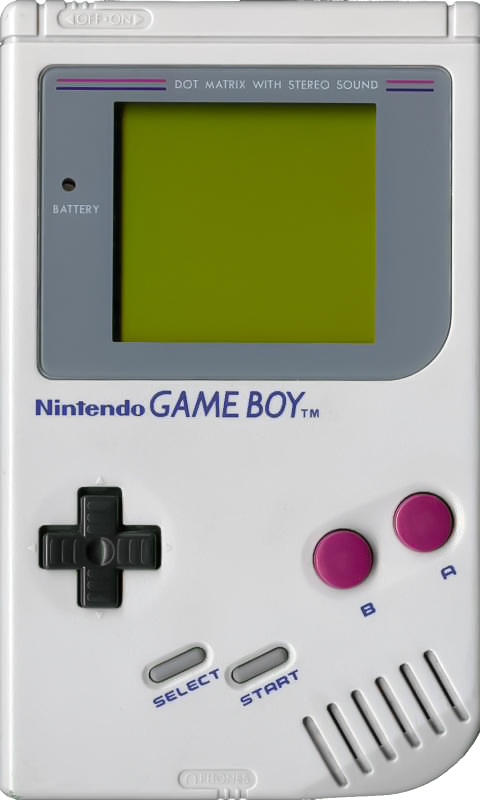
Here is the moment people still get wrong. Pokémon is not “Nintendo invented monsters.” The breakthrough is the link cable. When Tajiri sees two Game Boys connected, he sees a way to hand a caught creature to a friend. Not high scores. Not chat. Actual ownership moving from one cartridge to another. Bug collecting again, except the trade happens over a wire instead of a jar.
The handheld that made trading creatures between friends possible. Wikimedia Commons.
On a single-player cartridge, collecting is just you filling a list alone. With a cable, you have to meet someone, negotiate, and care what they have. That is why the franchise keeps working on every platform after. Cards do the same job without the cable: sit across a table, trade, play by shared rules.
4. Capsule Monsters: the ugly, necessary draft
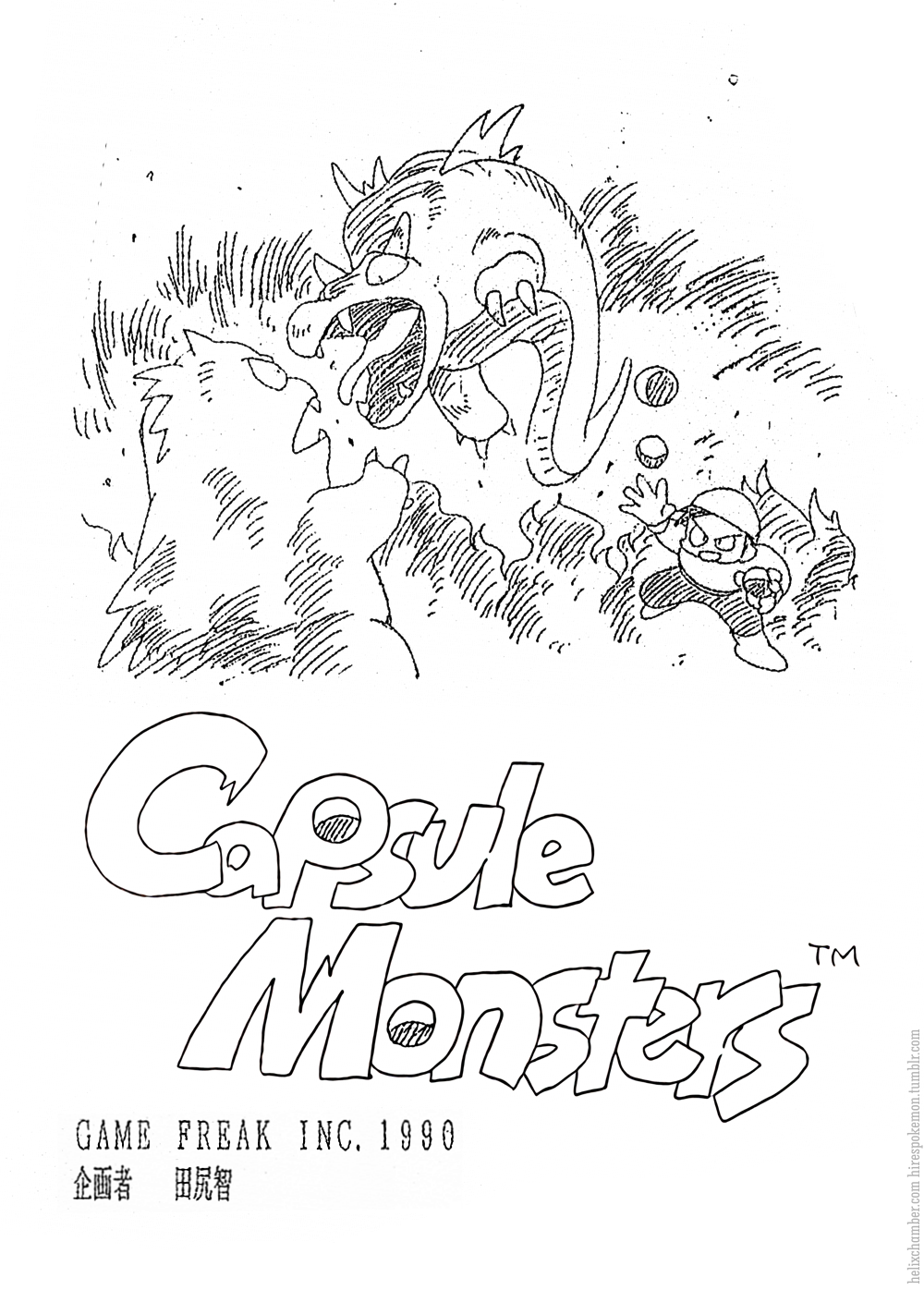
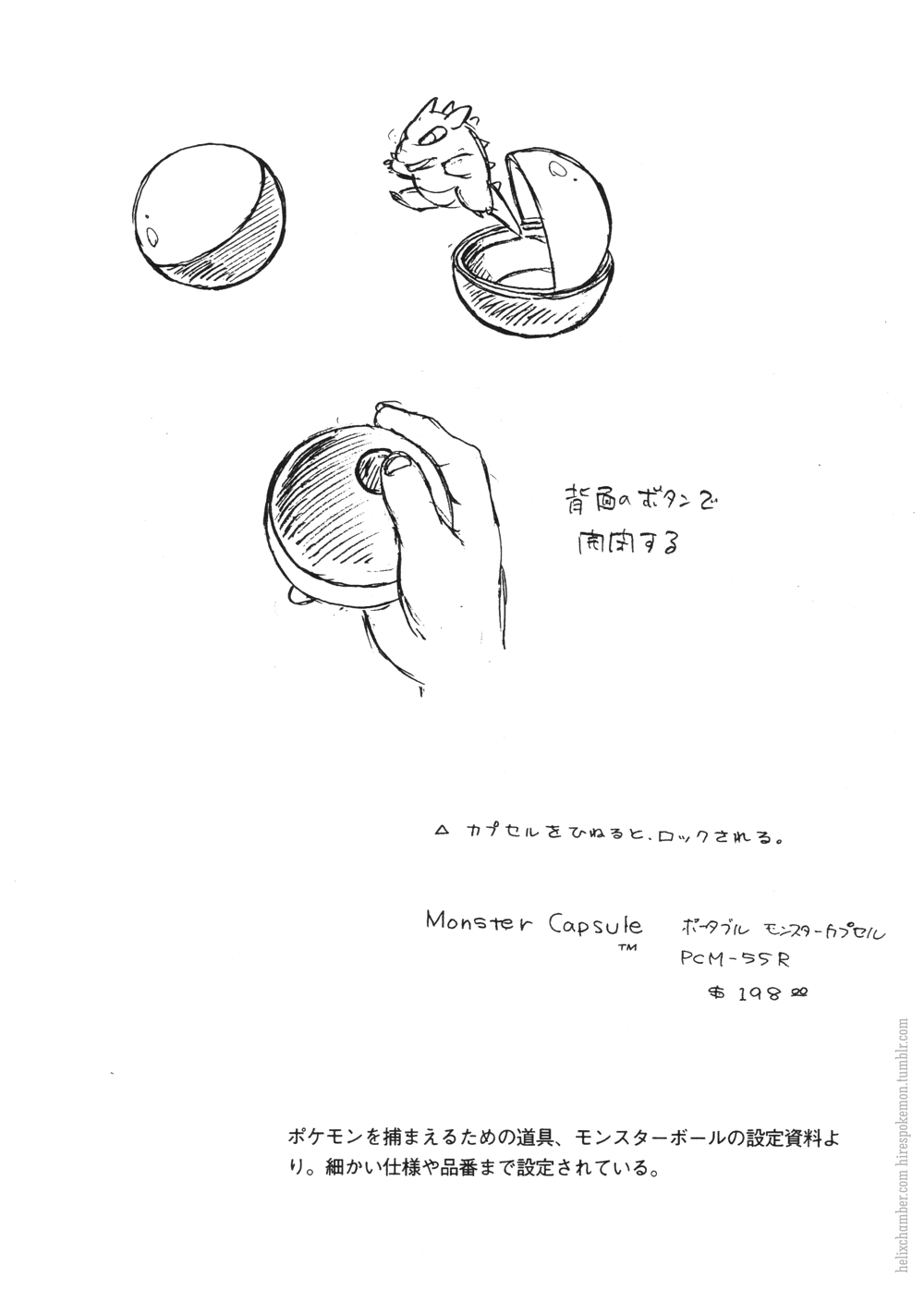
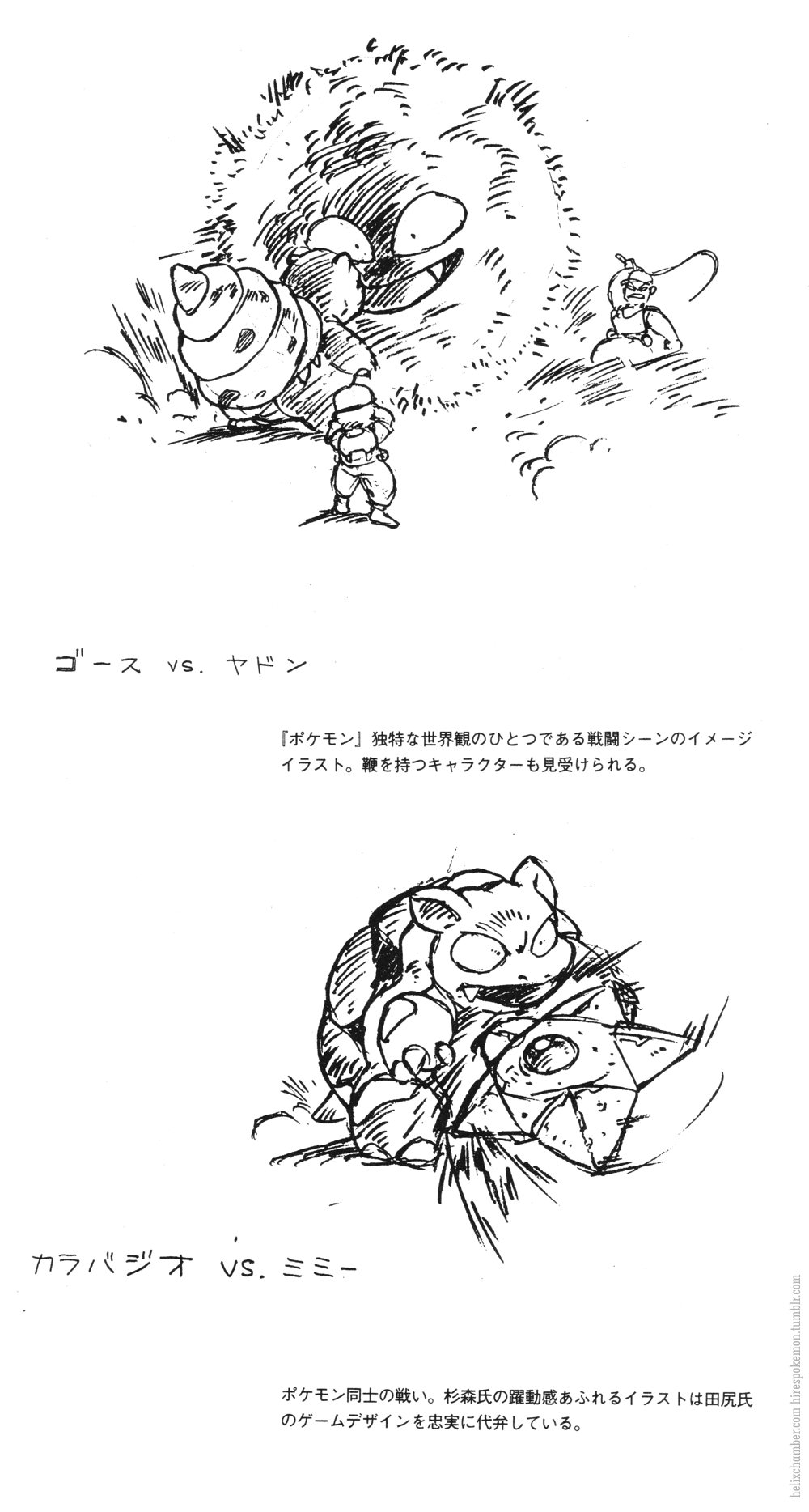
Before the name settled, the project lived as Capsule Monsters. The capsule idea borrows openly from Ultraman: catch a monster, seal it, carry it, release it later. Early pitch pages are messy on purpose. Creature silhouettes, jar diagrams, battle sketches. The “pocket” idea is already there. The clean English brand name is not.
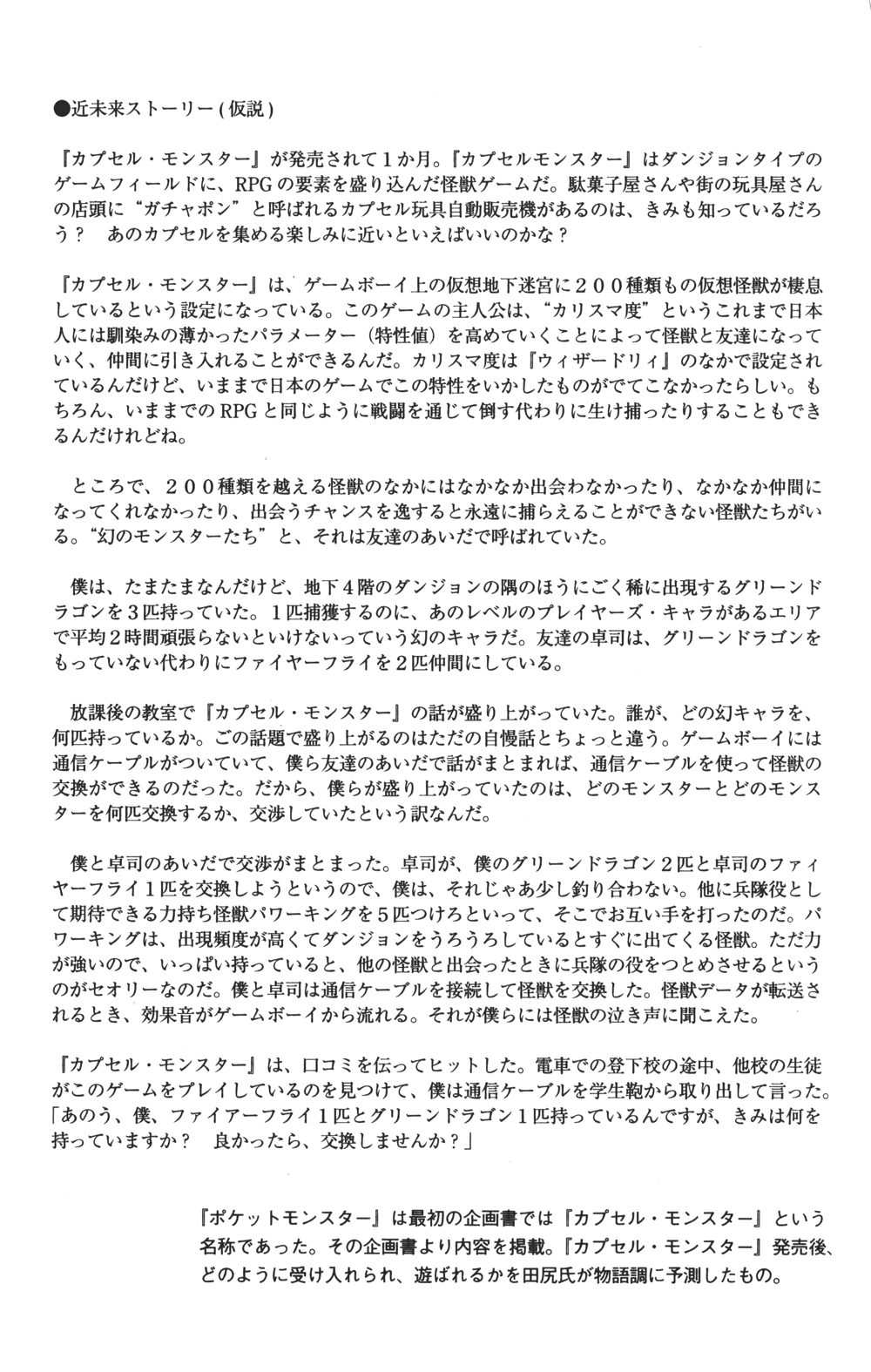
Archival scans preserved by researchers at Helix Chamber show how unfinished the pitch still looked. That is useful, not embarrassing. From this distance every hit franchise looks inevitable. In the binder it looks like a project that might never ship.
Actual 1990 pitch cover: Capsule Monsters™, Game Freak Inc., planner Satoshi Tajiri. Source: Helix Chamber.
Tajiri’s story-style pitch page: classrooms, trains, link cables, and kids trading rare monsters. Source: Helix Chamber.
Monster Capsule specs before it was a Poké Ball. Button on the back, twist to lock. Source: Helix Chamber.
Sugimori battle sketches from the Capsule Monsters materials, including a trainer with a whip that did not survive. Source: Helix Chamber.
5. Nintendo, Miyamoto, and six years of almost dying
Nintendo’s involvement, and Shigeru Miyamoto’s guidance in particular, keeps showing up in the oral history for a reason. Game Freak needed more than a yes. They needed patience, production reality checks, and eventually partners who could keep the lights on. Creatures Inc. becomes a critical ally and investor. The project stretches toward half a decade of development. That is an eternity for a handheld RPG in the 1990s, and a financial near-death experience for a small studio.
Trademark trouble helps kill the Capsule Monsters name. Pocket Monsters sticks in Japan. The English world later shortens it to Pokémon, with the accent mark that launched a thousand classroom arguments. Under the branding fight is the same product: catch, train, trade, complete.
6. February 27, 1996: Red and Green land in Japan
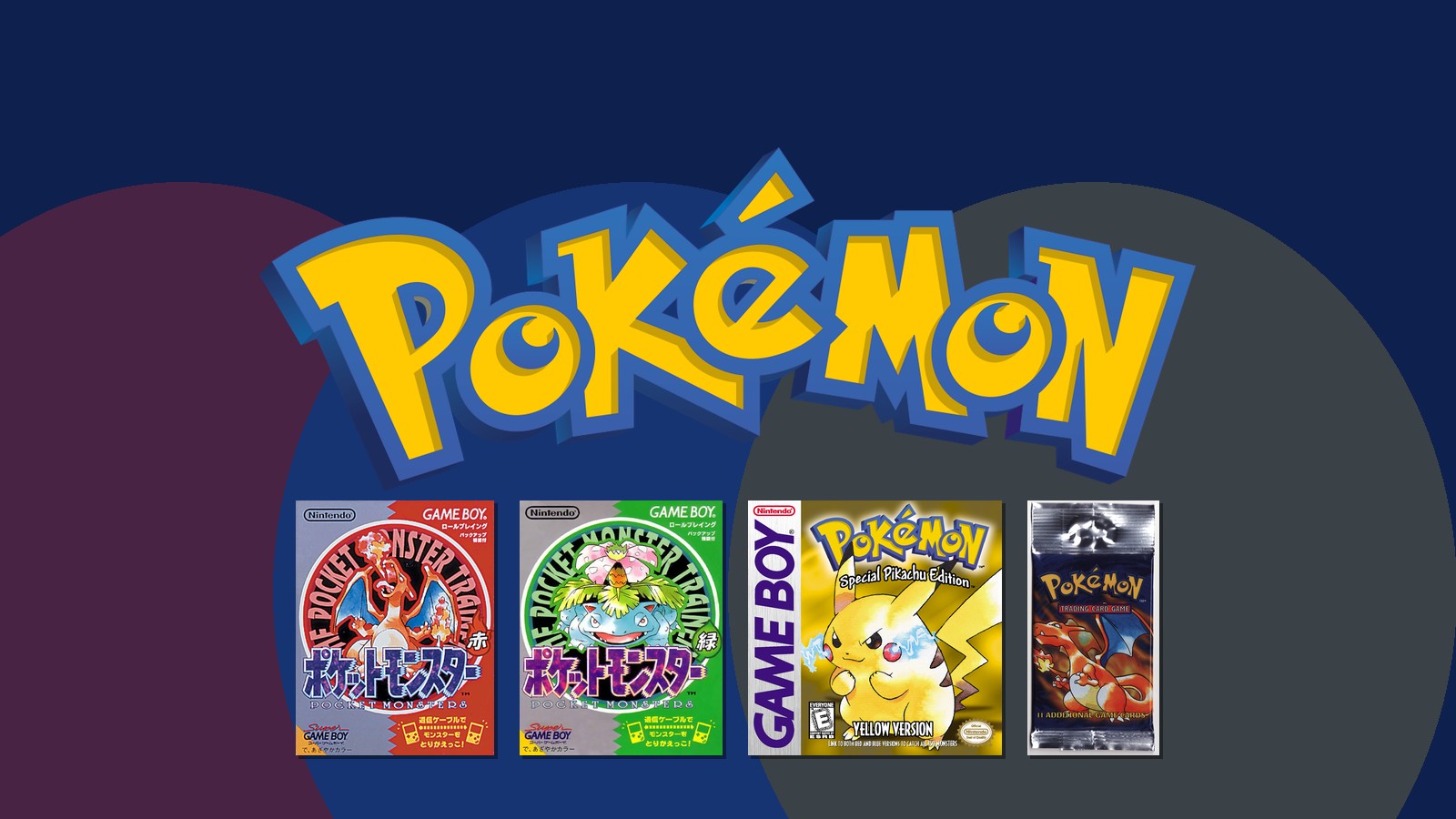
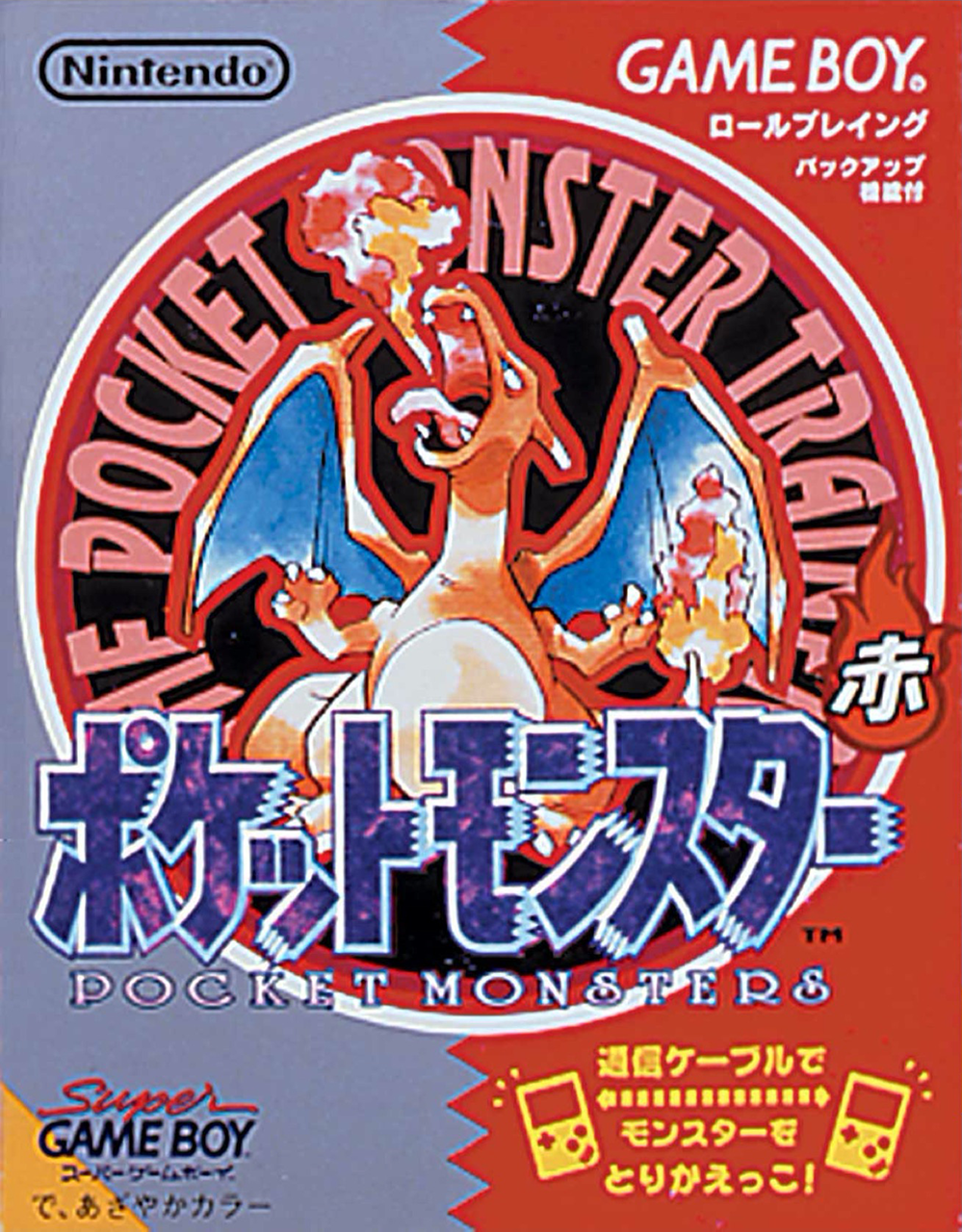
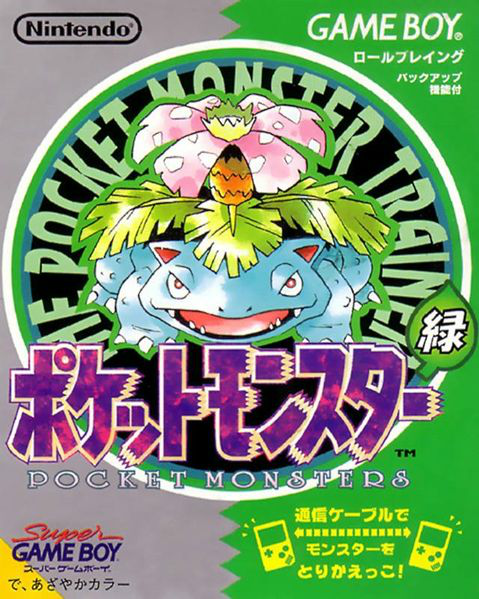
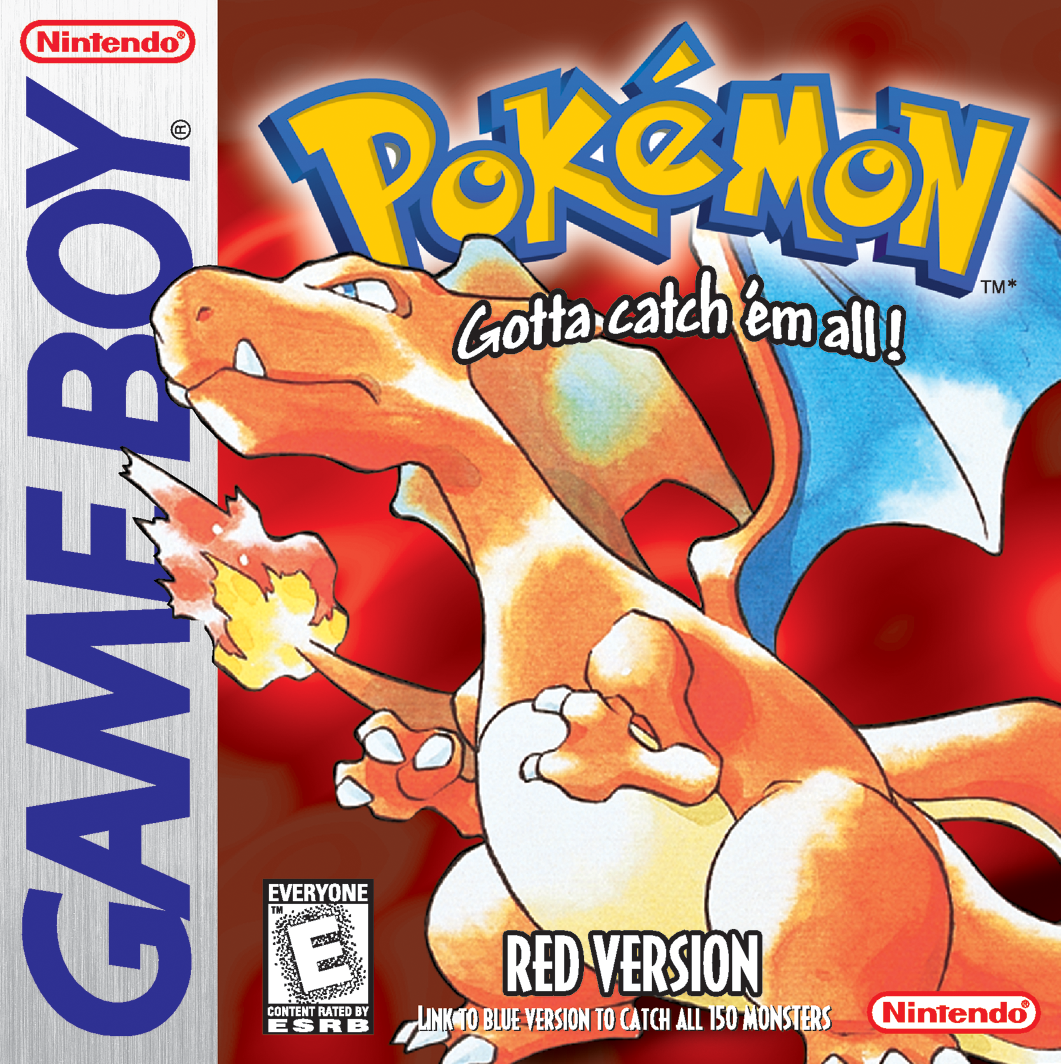
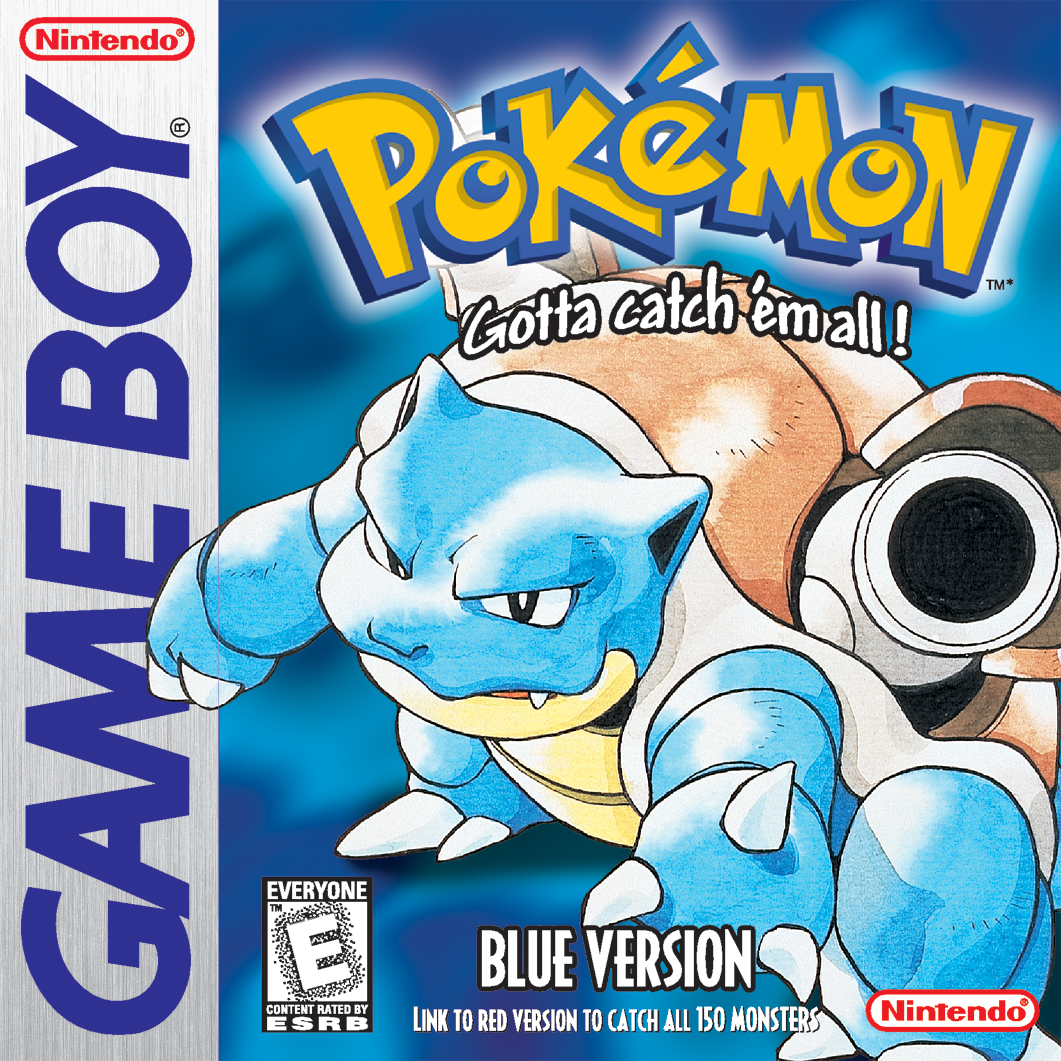
Pokémon Red and Green release in Japan on February 27, 1996. They are not an overnight global explosion. They are a domestic hit that builds the right way: kids talking, magazines catching up, link cables earning their keep. Blue and Yellow follow as the first generation densifies. The West will not get Red and Blue until 1998, which means Japan gets a multi-year head start on living inside the hobby.
Pocket Monsters Red (Japan). Charizard on the box before the West ever saw a cartridge.
Pocket Monsters Green (Japan). Venusaur on the paired version. Same game, different wild encounters, forced trades.
That head start matters for cards. A trading card game needs a shared vocabulary. By late 1996, Japanese kids already know what a Bulbasaur is supposed to feel like. The card does not have to teach the fantasy from zero. It only has to translate battle turns into zones, energy, and knockouts.
English Red follows in 1998. Same idea, new packaging, Charizard still selling the fantasy.
English Blue pairs with Red the way Green did in Japan.
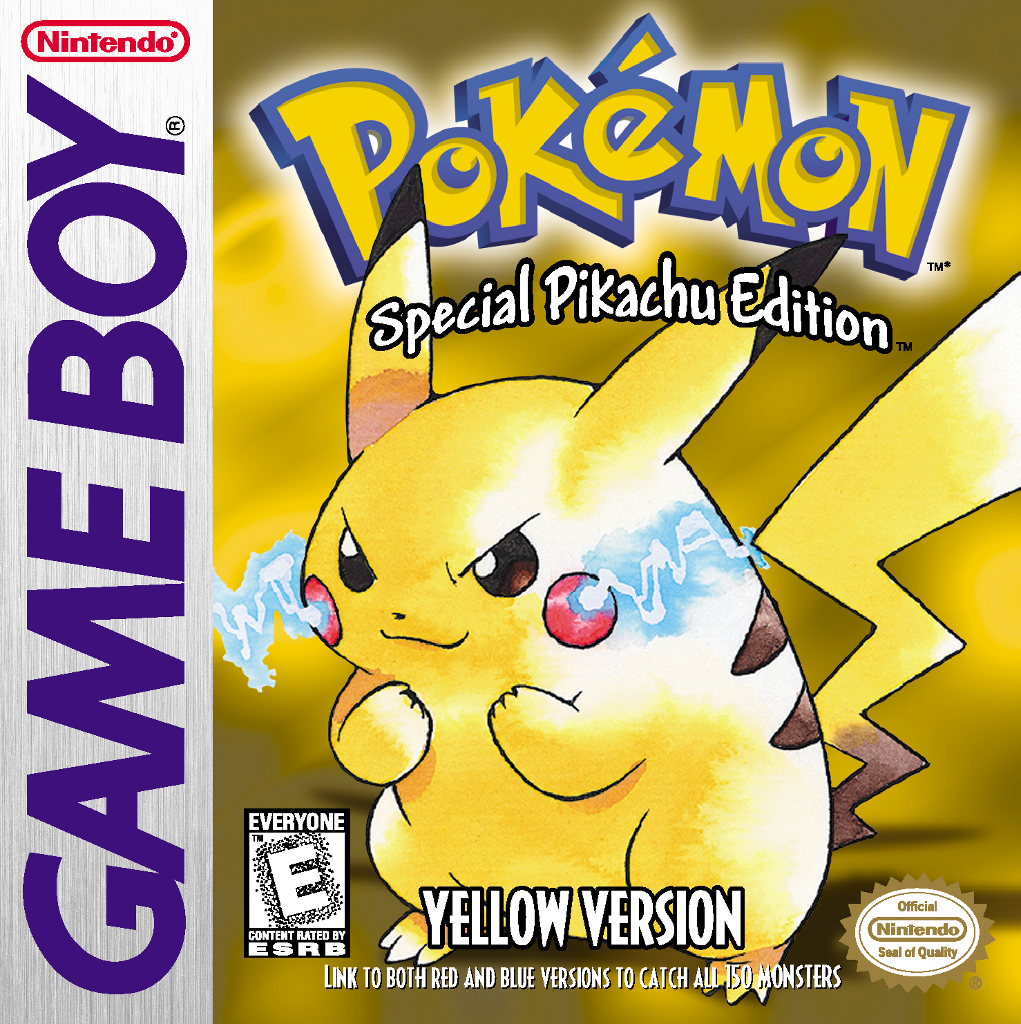
Yellow puts Pikachu on the box and locks the mascot into permanent brand duty.
7. Eight months later: cardboard becomes the second link cable
On October 20, 1996, Japan gets the first real Pokémon Trading Card Game release: the 1st Starter and Expansion Pack, developed by Creatures and published by Media Factory. That Japanese set is the ancestor of the modern game. Not stickers with a rule sheet taped on. A real two-player game meant to feel like the Game Boy battles, released while Magic: the Gathering had already taught hobby shops how hard kids would chase rares.
Creatures sits in the middle of both sides. The company that helped keep the video games funded also designs the card rules. Early art from Ken Sugimori, Mitsuhiro Arita, and Keiji Kinebuchi mixes paintings, photos, and odd 3D stock imagery. It looks rougher than later sets, and that is part of why collectors still obsess over it. Holo chase cards turn playground trades into a market overnight.
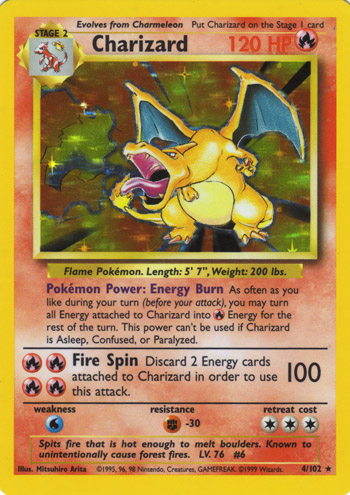
Base Set Charizard. The chase card that still runs the conversation whenever somebody says “vintage Pokémon.”
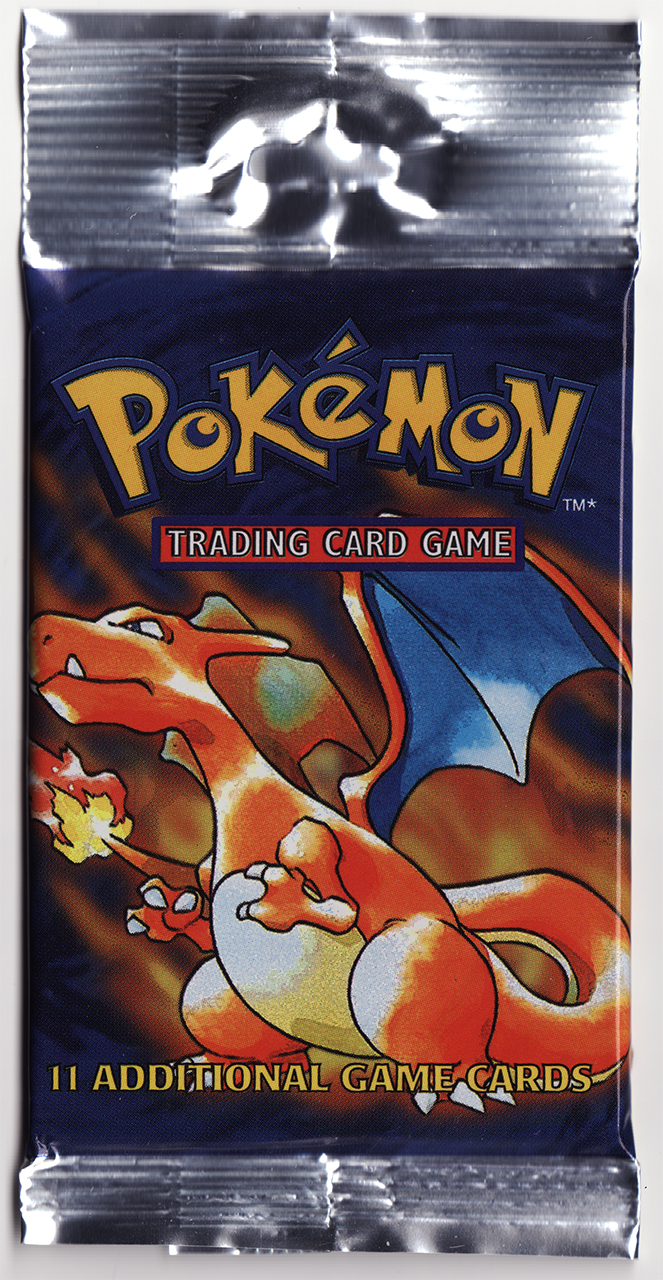
Wizards of the Coast Base Set booster. Same Charizard energy, now in foil wrappers.
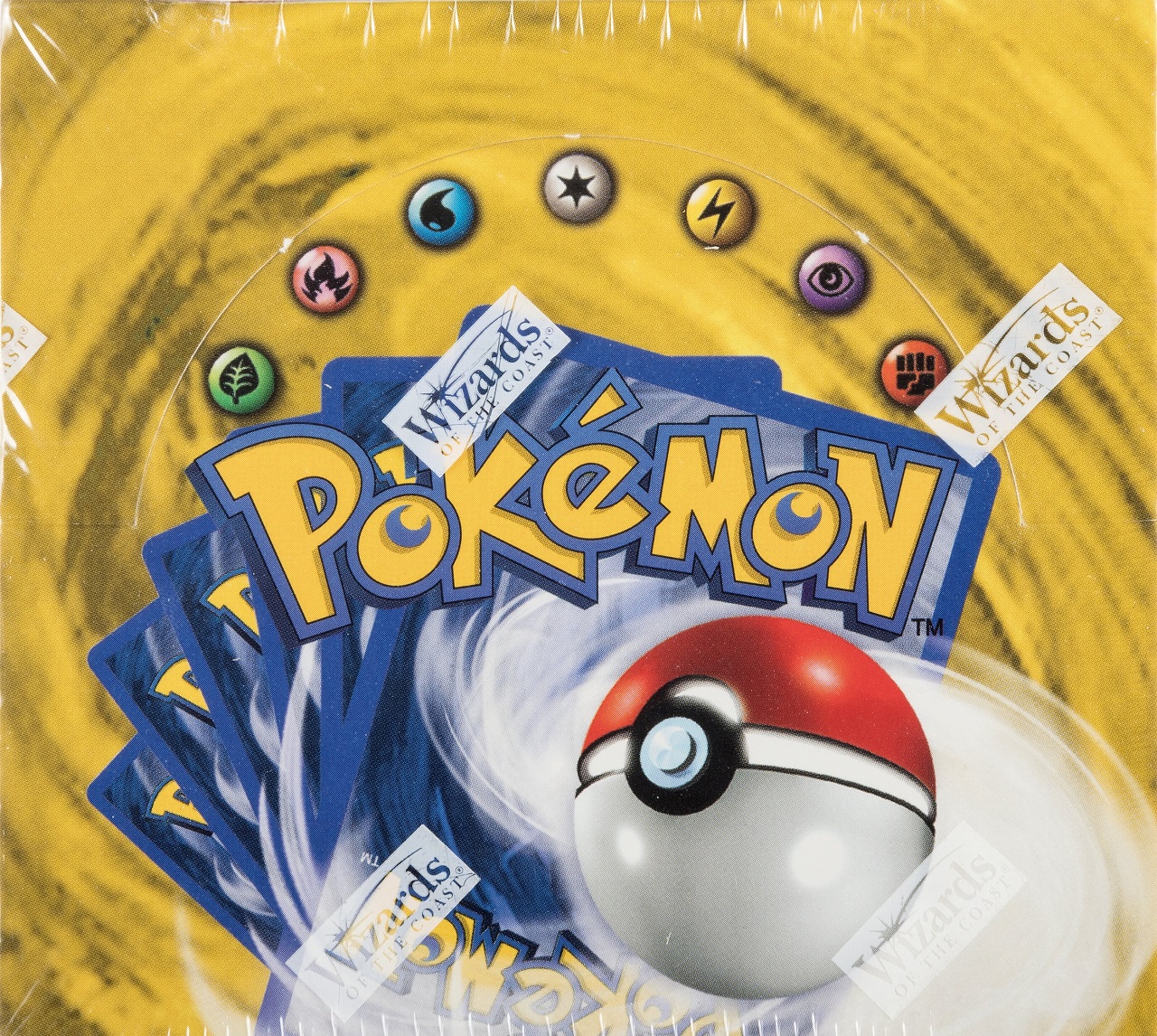
Base Set booster box. This is what “the hobby” looked like when the West finally caught up in 1999.
Western players usually start the clock on January 9, 1999, when Wizards of the Coast ships English Base Set. That date matters. It is also late. Japan had already lived through the first boom, early expansions, and schoolyard trades for more than two years. Wizards adds First Edition stamps, the shadowless print quirks, and Magic-level distribution. The Pokémon Company takes the license back in 2003. The hobby does not slow down either way.
The TCG did not copy the games. It finished the social idea the games started.
What the process actually teaches
Start from a lived hobby. Bug collecting gave Pokémon a feeling no market research deck can fake.
Find the hardware secret. The link cable turned collecting into culture.
Survive the draft. Capsule Monsters looks awkward now because every honest pitch does.
Let partners keep you alive. Creatures, Nintendo, Media Factory, then Wizards: the idea needed a relay team.
Ship the social layer twice. Games taught ownership. Cards made ownership portable without a cable.
Why this belongs on the TCG shelf
You can write Pokémon history as a video game chronicle and stop at Red and Green. That version is true and incomplete. The reason packs still move in 2026 is the same reason the cable mattered in 1996: people want incomplete sets, shared rules, and a reason to sit across from someone. The Game Boy sold the fantasy. The cards industrialized the trade.
If you are ripping modern packs, you are in a hobby that starts with a kid filling jars in Machida and a studio that almost missed payroll before Red and Green shipped. Knowing that does not make your pulls better. It does make the chase make sense: incomplete sets, friends across a table, and a reason to keep opening one more pack.
Next time somebody says Pokémon “just printed money,” walk them through the six years before the games even shipped. The empire is real. Easy it was not.