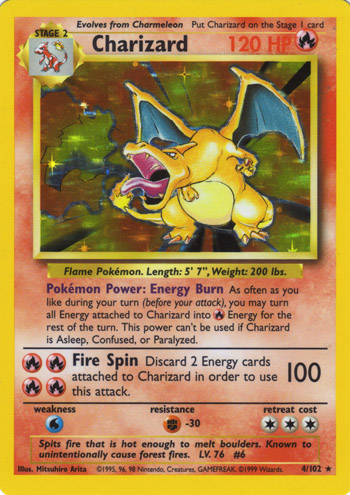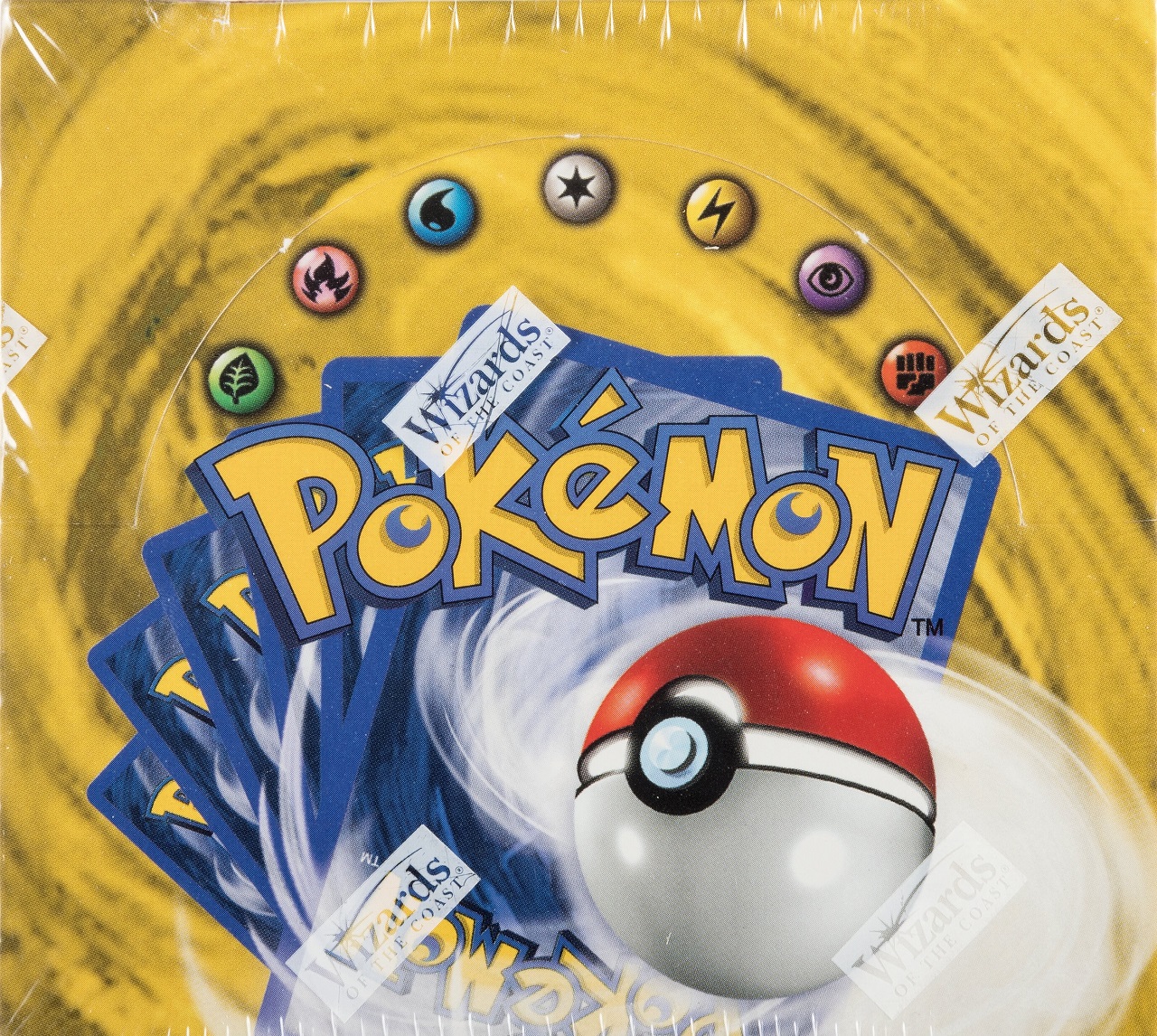
Pokémon cards are fun. Paying reseller tax because a shelf was empty at 7 p.m. is not. If you are starting in 2026, the fastest way to get wrecked is treating every Elite Trainer Box like a lottery ticket. The fastest way to actually play is treating sealed product like optional dessert.
This is the anti-scalp starter plan: decide what you want, buy the boring correct thing, and leave the midnight cart wars to people who collect stress for sport.

Step 0: pick a lane
Say it out loud before you open your wallet.
I want to play. Your money goes to a 60-card deck, energy, sleeves, and a local league night.
I want to collect. Your money goes to specific cards or sealed you actually like, bought near MSRP, not “whatever is left on eBay tonight.”
I want both. Fine. Cap sealed at a monthly treat. Fund the deck first. Collection is the side quest.
If you cannot pick, default to play. Playing teaches you which cards matter. Collecting first teaches you which listings are lying.
The one rule that saves the most money
MSRP or walk. If a blister, tin, or ETB is sitting 50 to 100 percent over printed retail because someone refreshed a bot farm, you are not “investing.” You are funding their rent.
Hot product will disappear. That is normal. Missing a drop is cheaper than paying panic prices for cardboard you do not even have a deck plan for.
Where beginners should actually buy
Local game store / Pokémon League. Ask about league nights, loaner decks, and singles binders. A store that wants players will help you more than a locked acrylic case at a big-box endcap.
Singles marketplaces. Build the deck as a list. Buy the cards. Ignore the pretty empty box tax. Near Mint is enough. You do not need museum acrylic for kitchen-table games.
Retail at printed price. Target, Walmart, Best Buy, Pokémon Center, and grocery endcaps when stock is real. If the app says $90 for a $45 box, close the app.
Official starter products. Battle Academy, League Battle decks, and current Trainer toolkits exist so you can learn without gambling on pack luck.
For drop survival tactics on Pokémon Center specifically, use our Ascended Heroes queue guide. One connection. No refresh spam. Screenshot the receipt.
Sealed is dessert, not dinner
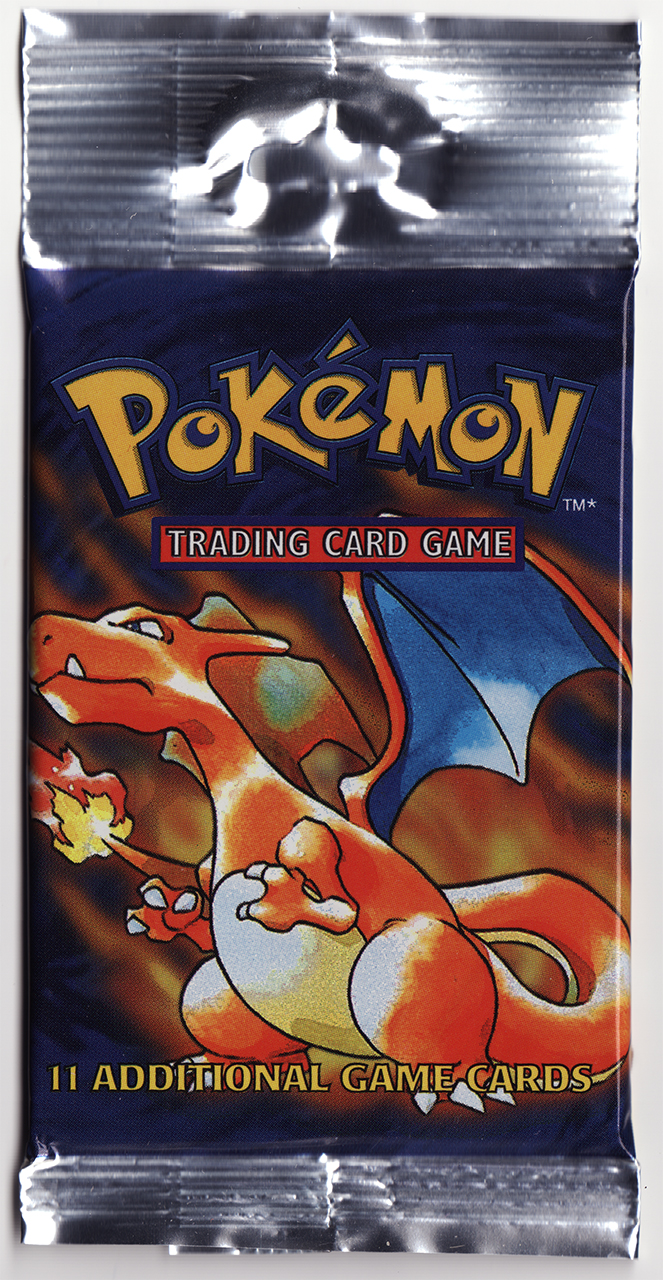
Boosters are entertainment. They are a terrible way to assemble a competitive or even casual Standard deck. Pack odds do not care that you need four copies of a $1 trainer.
A sane starter budget looks like this:
$40 to $80 in singles for a focused Standard or casual 60.
$15 to $25 for sleeves, a deck box, and dice / damage counters.
$0 to $40 for one sealed treat if you genuinely enjoy ripping, not because TikTok said the set is “going crazy.”
If your first $100 all went into sealed and you still cannot play a clean game, the scalpers did not beat you. The shopping list did.

Learn the game before you learn the market
Pokémon TCG Live is free and lets you learn turns, prizes, and deck flow without burning cash on misclicks. Official rules and deckbuilding basics also live on Pokemon.com’s TCG hub.
Then go in person. League nights are where beginners stop getting dunked by Instagram binders and start learning what “setup turn” means. Borrow a deck if the store offers it. Ask someone to explain their list. Most players would rather teach than watch you rage-buy an overpriced ETB after one loss.
Standard legality in plain English
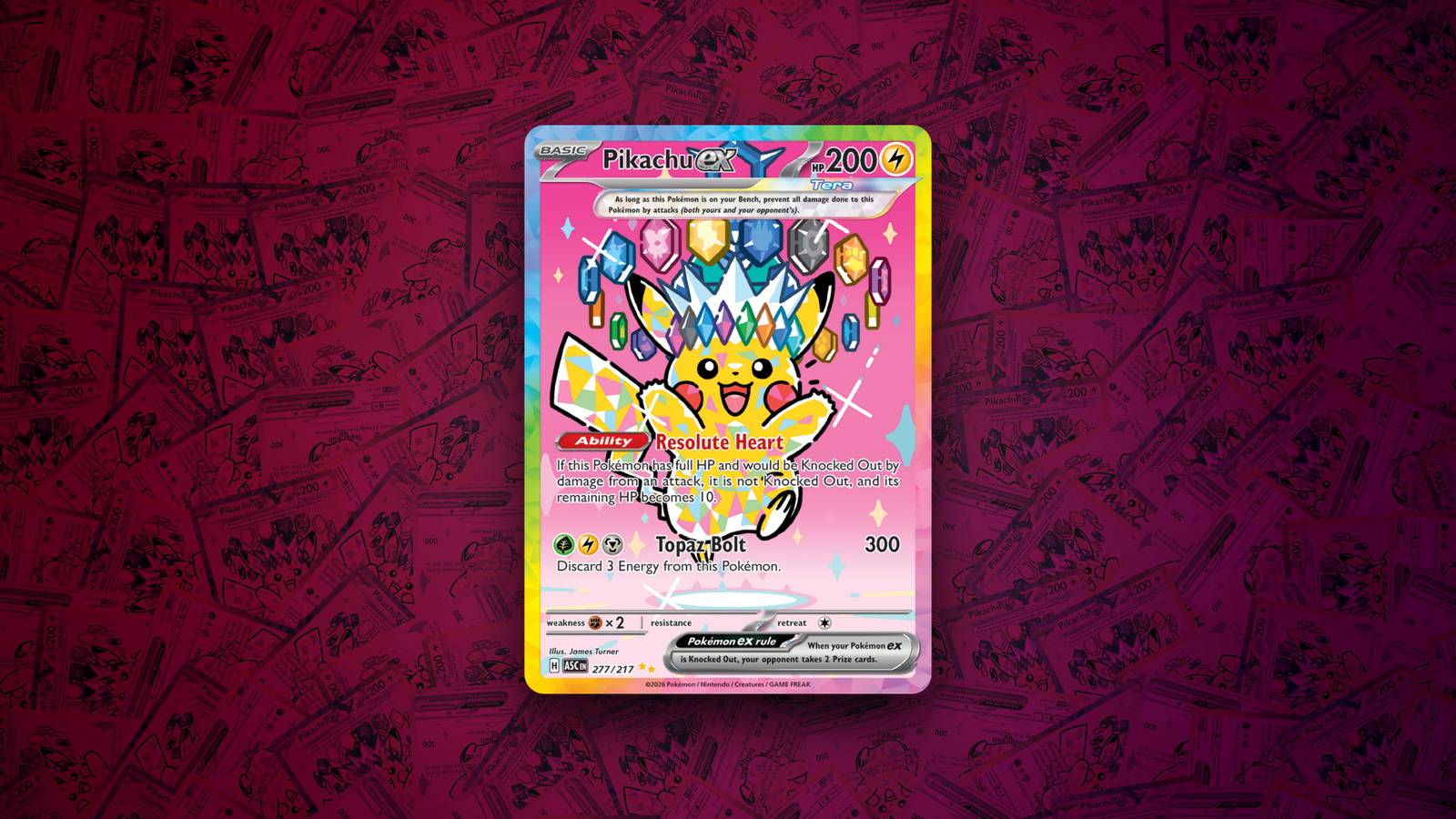
If you want store events, check the little regulation mark letter on the bottom of the card. For the 2026 Standard season, older marks rotate out on a schedule. Casual kitchen-table games can ignore this. Event play cannot. Build for the room you are actually joining.
Practical tip: when you buy singles, filter for the format you need. Buying a gorgeous older card that cannot enter Standard is fine for a binder. It is a bad surprise at registration.
Scalper tells to ignore
“Last one, take it or leave it” at 2x retail. Leave it. Another restock exists in the future. Your FOMO does not.
Mystery bundles of bulk sold as “value.” Count the playables. Most of these are landfill with a Pikachu sticker.
Investment talk aimed at beginners. You are learning a hobby. You are not managing a cardboard hedge fund.
Bot flex culture. If a guide’s real advice is “run ACO across 500 retailers,” that guide is not for new players. It is for people fighting other bots.

A first-month checklist
1. Install Pokémon TCG Live and finish the tutorials.
2. Find a league or friendly LGS night. Go once before buying a mountain of product.
3. Pick one archetype you like on stream or at the shop. Copy a budget list. Buy singles.
4. Sleeve the deck. Play five real games. Only then decide if sealed ripping is still fun.
5. Set a monthly cardboard budget. When it is gone, you are done. Scalpers feed on people who “just need one more box.”
If you still want sealed
Cool. Buy it when the price is honest. Newer main-set ETBs and blister multipacks at printed retail are fine treats. Special day-one chase product is where the blood is. You can love Pokémon and still refuse to be the exit liquidity for someone’s wholesale cart.
Want the history itch scratched without shopping advice? Read how Pokémon became a trading card empire. Want the queue war tips for official drops? Use the Pokémon Center drop guide.
Bottom line
Starting Pokémon TCG without getting scalped is not a secret drop schedule. It is a posture: play first, singles second, sealed as dessert, MSRP or walk. The people winning the hobby are not the ones refreshing hardest. They are the ones who can already play a game while everyone else is arguing about cardboard lottery tickets.
More TCG coverage lives on the TCG feed.