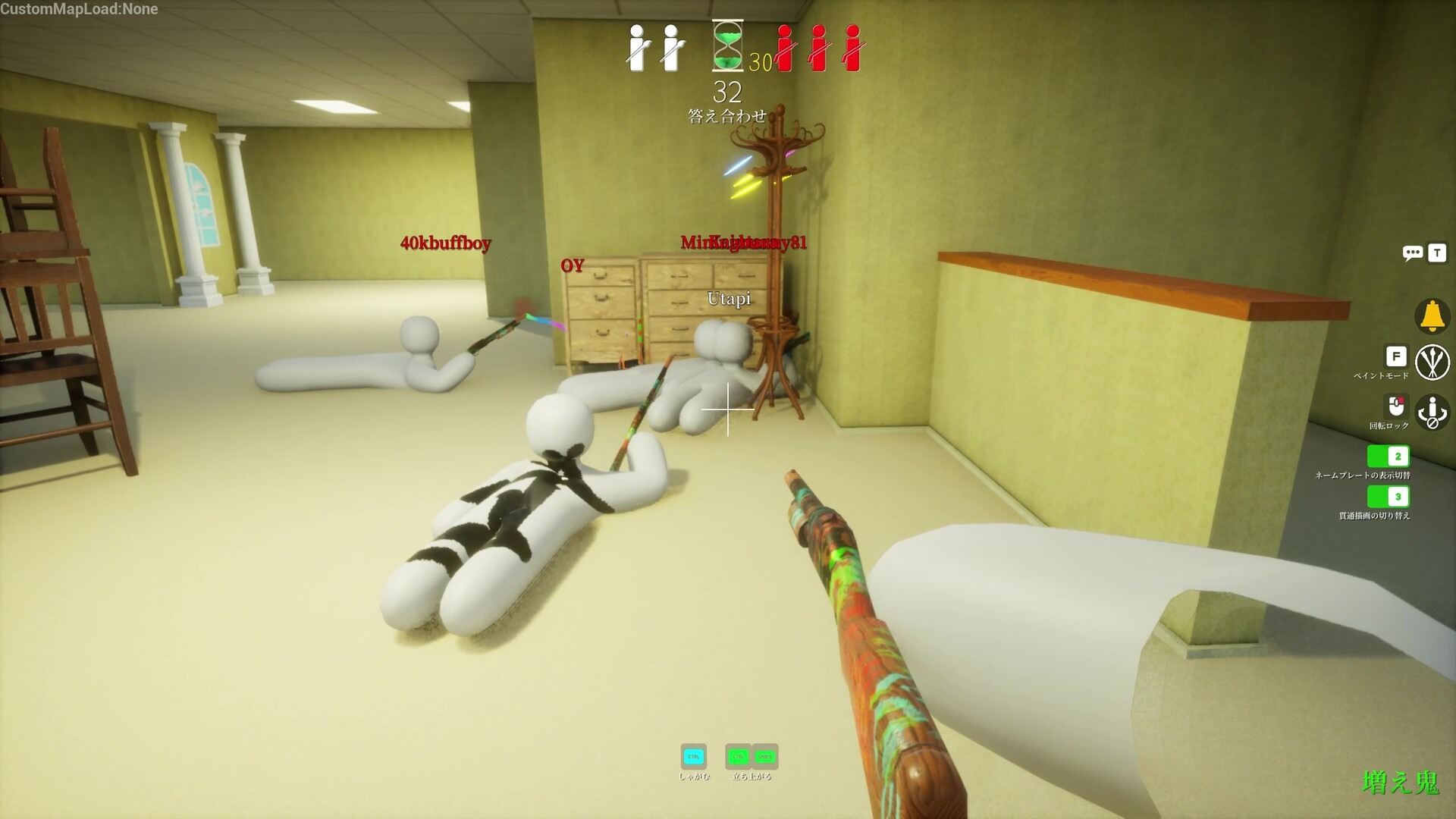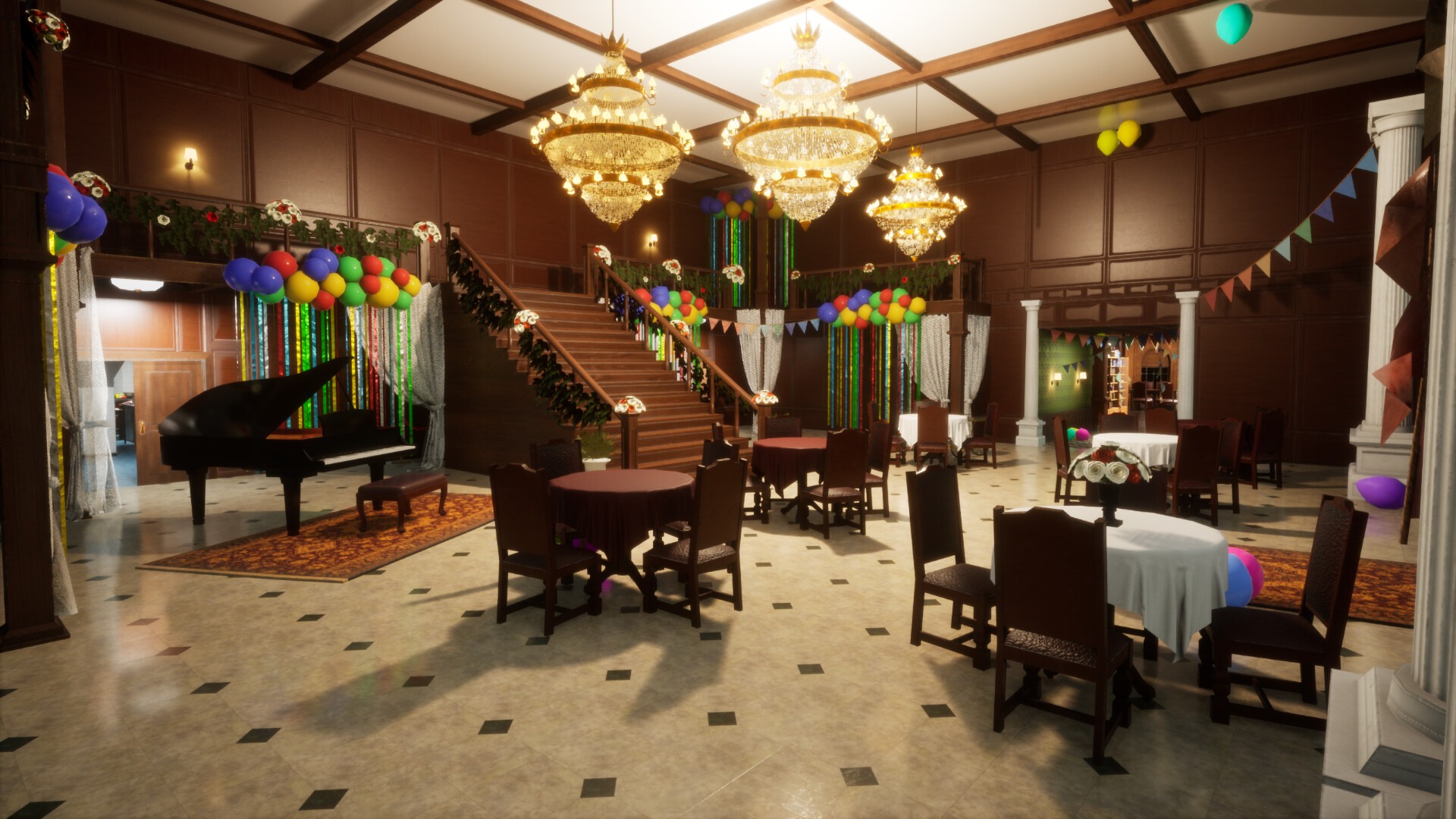
If you have been spelling it Mecha Chameleon, same game. The official title is MECCHA CHAMELEON (めっちゃカメレオン): a multiplayer hide-and-seek party game where you paint your white blob body to match the room, then hope nobody notices the piano that just blinked. It launched on Steam on June 10, 2026 for about $6. By early July it had sold more than 15 million copies and peaked around 340,000 concurrent players. That is the miracle. The news this week is the hangover.
The news right now
Sales: developer lemorion_1224 marked 15 million sold in under a month, with a tease for a collaboration with a famous Japanese star
Workshop malware: security researcher Feint flagged community map Laser Tag Neon as a malware dropper that wrote a batch file and tried to pull a second-stage script via PowerShell. More malicious maps followed. The team shipped version 3.1.0 to patch the vulnerability
Discord takeover: while cleaning that up, a system engineer’s PC got infected. Attackers bypassed Discord 2FA, flipped server permissions, and banned staff. The original official Discord is effectively gone
So the current chapter is two stories stacked: one of the fastest indie sales runs of 2026, and a live security fire in the Workshop and community stack that grew around it.
How it came to be
MECCHA CHAMELEON was built by Japanese indie pair lemorion_1224 and Haganeiro on Unreal Engine 5. They already knew Epic’s toolchain from Fortnite creative work in UEFN. Lemorion had shipped penguin-party experiments like Penguin Hotel and Link Penguins. Haganeiro handled systems and effects. Lemorion handled the look, maps, models, music, and the joke that became the product.
The spark was simple. They were living in Fortnite-style hide-and-seek lobbies, then Lemorion remembered a TV bit where an artist painted themselves into the scenery. Translate that into a match: everyone starts as a white biped, chameleons eyedrop colors and poses onto themselves, hunters hunt before the timer dies. Keep the controls dumb. Keep the systems from collapsing under their own weight.
Calendar reality: about two months of focused build time, closer to four or five if you count reused assets from the penguin games. Matchmaking rides Epic Online Services. A two-hour playtest with about 100 players from mixed countries landed late. Feedback bought them three more maps in the final two weeks. Announced