
Tech

Meta AI glasses privacy fight: LED lock vs street protest ads

Guerrilla ads hit Meta's glasses campaign while Meta ships a capture-LED tamper lock. Here is what is confirmed for wearers and bystanders.

Meta AI glasses privacy fight: LED lock vs street protest ads

If you are trying to decide whether Meta's AI glasses are a camera problem Meta already fixed or a trust problem Meta keeps making worse, this is the status board. Guerrilla ads in New York, London, and Washington, D.C. are treating the products as street-level surveillance kits, while Meta's own July privacy FAQ doubles down on a blinking capture LED and a new tamper lock.

What the street campaign is saying

Activist crews, including Everyone Hates Elon, have been covering or spoofing Meta glasses ads near high-traffic bus stops and transit corridors. One London lenticular piece flips a polished campaign still into a "We're always watching" warning depending on your angle. Another line of spoof creative mocks the glasses as covert recording tools. The pressure spike lines up with Meta's cheaper own-brand Meta Glasses push and a Kylie Jenner ambassador campaign that put the frames in front of a much wider audience than early Ray-Ban Meta buyers.

That protest language is blunt on purpose. The groups argue that a camera hidden in everyday sunglasses changes consent in public space, especially for people who never opted into being filmed for someone else's gallery or social feed.

What Meta says it shipped on privacy

On July 7, 2026, Meta published a detailed FAQ for its AI glasses. The company says every pair has a white capture LED with no off switch. It blinks briefly for a photo and keeps blinking for the length of a video so bystanders can see capture is happening.

No other kind of camera has done this and we're proud to lead the industry forward.

That line is Meta describing its newer firmware behavior: if the glasses detect the capture LED was physically tampered with or destroyed, the camera stays disabled. Meta also says covering the LED already disabled the camera on second-generation hardware, and that it removes marketplace listings and ads for tampering services while pursuing legal action against sellers.
Watch on YouTube
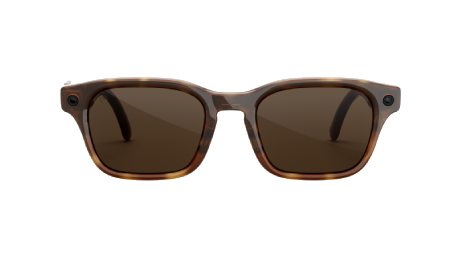
Meta tortoise-frame AI glasses product shot
Meta AI glasses frame with camera module visible
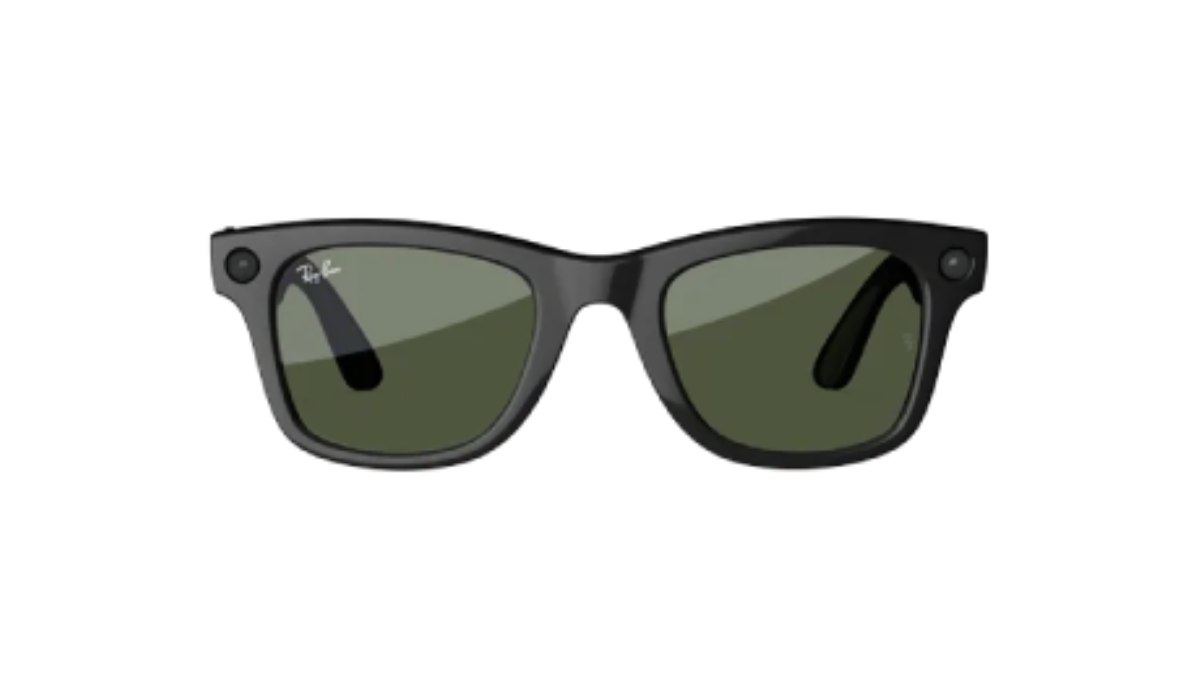
Ray-Ban Meta Wayfarer smart glasses
Ray-Ban Meta Wayfarer style smart glasses front view

What the official demo does not settle

The Connect-era Ray-Ban Display reel sells live AI, in-lens UI, and Neural Band control. It does not answer the street argument: a working LED is only useful if strangers notice it, trust it, and believe Meta will not ship quieter always-on sensing later. Meta's FAQ is careful about gallery capture. It does not, in that post, fully close separate debates about facial recognition experiments, longer continuous sensing prototypes, or how often bystanders actually clock a small white blink in daylight.

Confirmed for readers right now: - Capture LED is mandatory on Meta's current AI glasses lines - Blocking or destroying that LED is supposed to kill the camera via software detection - Protest spoofs are live in major cities targeting Meta's consumer campaign

Still murky: - How consistently the tamper update has reached every sold unit worldwide - Whether future "always sensing" designs keep a visible capture light for every mode - How venues and cities will treat the glasses as ordinary eyewear vs recording devices

What to do if you wear them, or sit next to them

Wearers: assume the LED is part of the social contract. If your pair fails to blink, treat that as a defect, not a feature. Import gallery media intentionally, and do not expect strangers to share your enthusiasm for hands-free capture.

Everyone else: look for the blink before you assume you are off-camera. Local rules already diverge. Some courthouses and venues ban smart glasses outright even with prescription lenses.

For follow-ups on wearables hardware and policy, watch the tech section and tech feed. Meta's own privacy FAQ lives on the Meta Newsroom.

← Back to latest