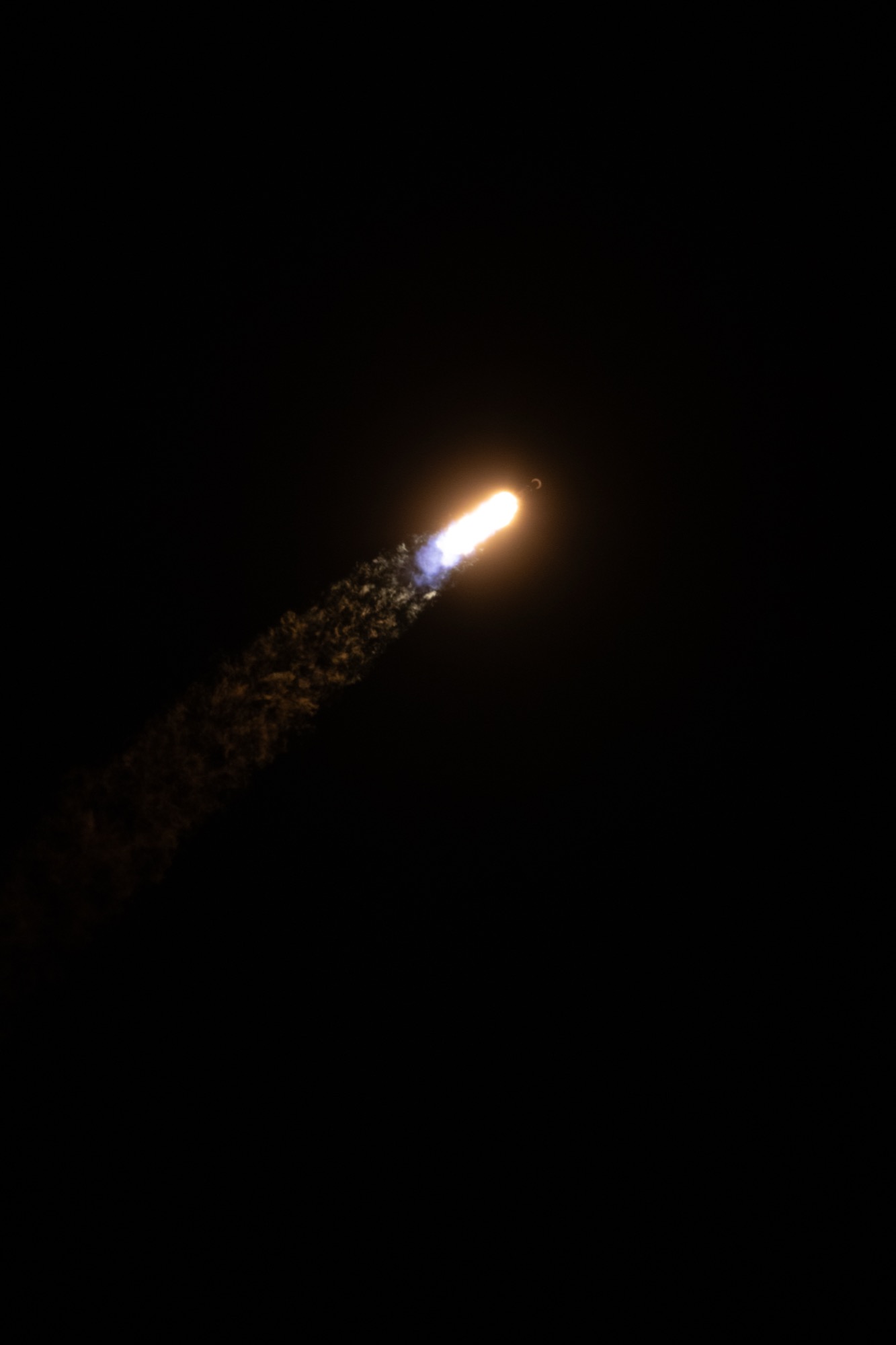
A leftover Falcon 9 upper stage did not plan a moonshot. It got one anyway.
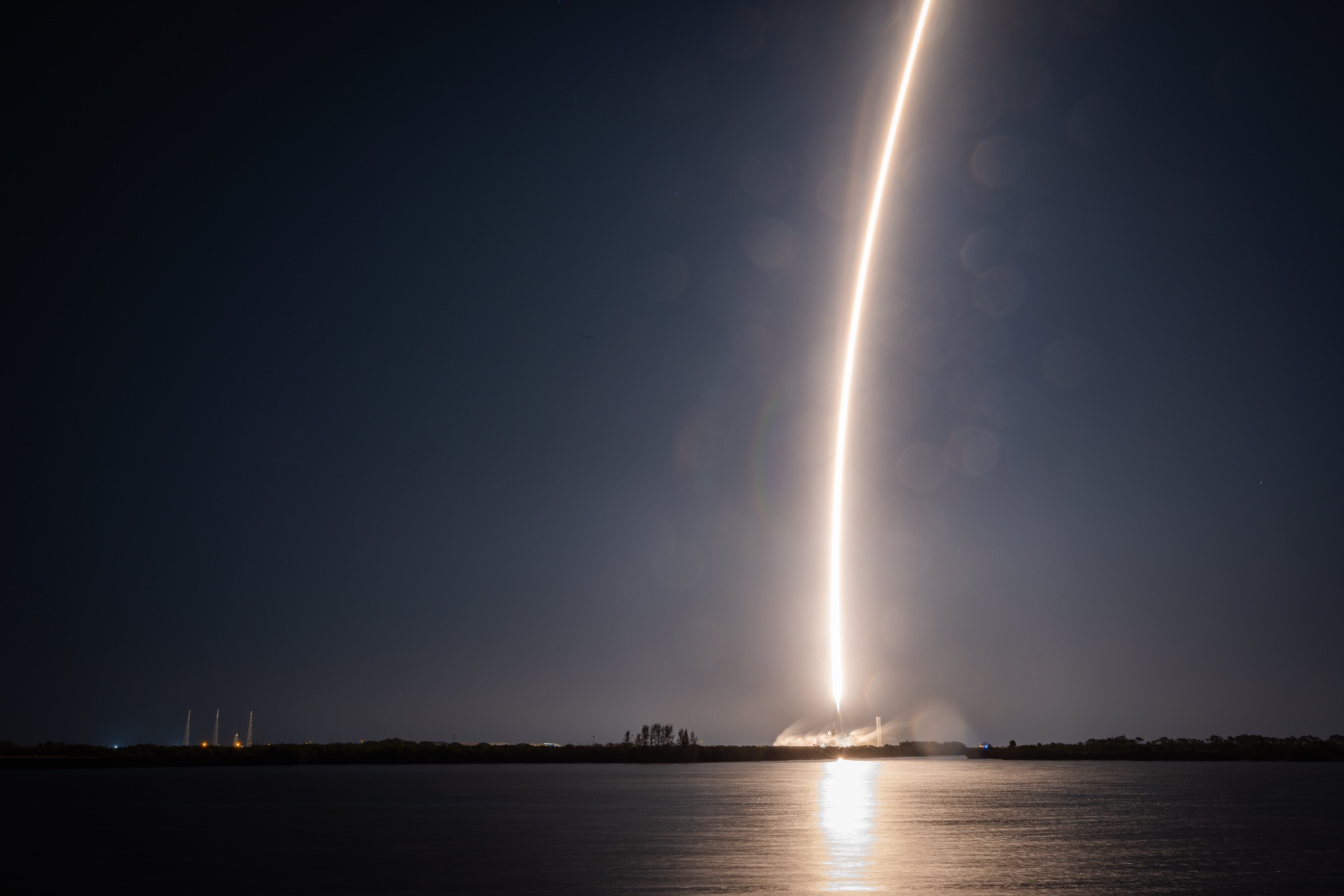
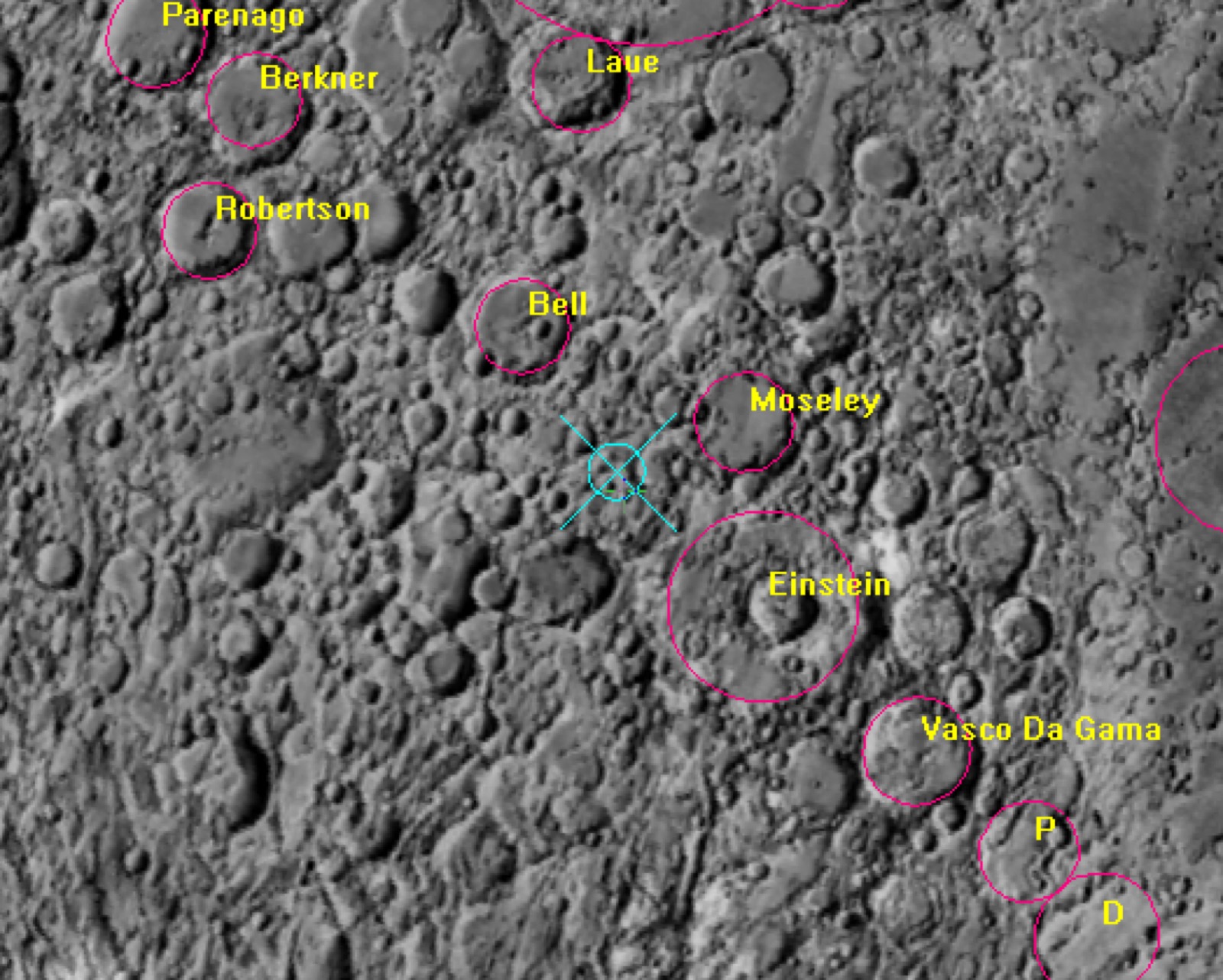
Cataloged as 2025-010D, the spent stage boosted Firefly Aerospace's Blue Ghost 1 and ispace's Hakuto-R Resilience landers after a Jan. 15, 2025 SpaceX launch under NASA's CLPS program. The landers left. The roughly 4,000 kg upper stage stayed in a high, Moon-crossing Earth orbit. Independent tracking, then NASA's Center for Near Earth Object Studies, locked it onto a lunar collision for about 06:35 UTC on Aug. 5, 2026 near the Einstein and Bell craters. CNEOS put the impact probability at 100%. It poses no danger to Earth.
What hit, and how hard
Bill Gray's Project Pluto orbit work (the first public lunar-impact call on this object) put the strike near lunar latitude 19.5 N, longitude about 93 W, a few kilometers from Einstein crater, at roughly 2.43 km/s (about 5,400 mph). NASA's Aug. 4 note expected a crater on the order of 60 feet wide and 12 feet deep, plus ejecta. An arXiv observing plan co-authored with NASA Ames and Los Alamos scientists frames the same window: known mass, known speed, sunlit terrain near the eastern limb as seen from Earth.

Natural meteoroids hit the Moon every day. Artificial impacts are rarer, and usually messier to interpret. Here the hardware is cataloged, the mass is roughly known, and the arrival was predicted months out. That is why ground telescopes and lunar orbiters lined up for flash, plume, and crater follow-up.
Why it was not deorbited
For low Earth orbit flights, SpaceX normally dumps upper stages back into the atmosphere. This was a high-energy lunar trajectory. At an Aug. 3 Crew-13 briefing, Julianna Scheiman, SpaceX director of NASA science and Dragon programs, said the company passivated the stage under the usual rules, then natural forces took over: